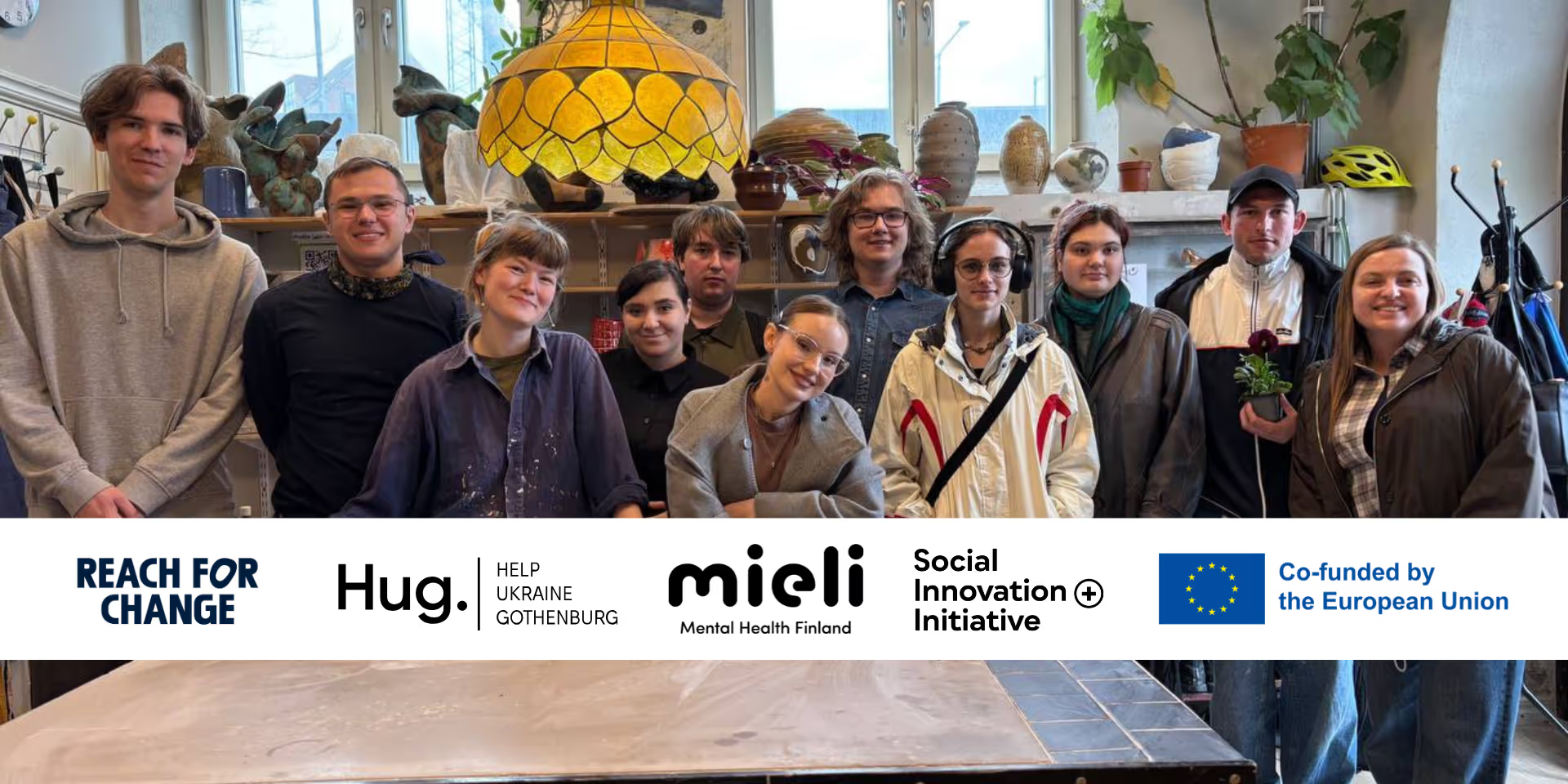
For many Ukrainians living in Sweden, daily life is shaped by stress, uncertainty, and the weight of staying strong for a long time. Support in that reality means having a space to slow down, meet others, and feel less alone.
FRID, an international EU-funded project, supports the mental well-being and integration of Ukrainians in Sweden through peer-led groups and practical tools. It brings together community experience and evidence-based methods to create accessible, culturally sensitive support — reaching people where they are.
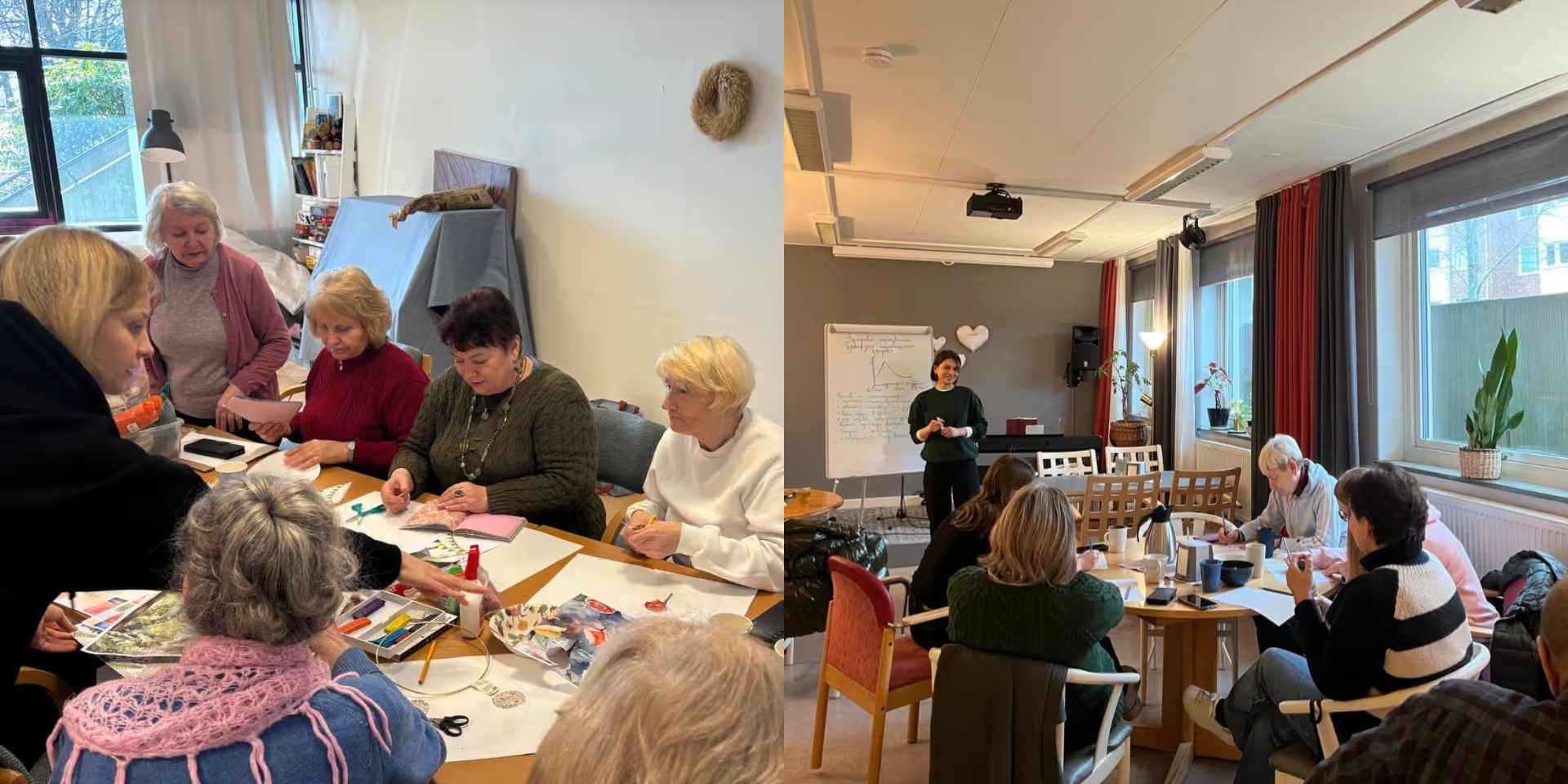
FRID is designed for Ukrainian refugees living in Sweden who are navigating the ongoing psychological challenges of displacement — including loneliness, anxiety, and the difficulty of building a new life far from home. FRID responds directly to this need.
«It would be much easier if there was someone to talk to, to openly discuss the problem. I’m sure many have the same issues, and I’m not the only one» - participant in the target group mapping conducted within the project

Each group meets eight times, following the TOIVO methodology developed by MIELI Mental Health Finland. The approach is built on three simple steps: do something together, talk about how it felt, take something small and practical away. Groups explore themes like rest, positive emotions, nature, food, and creativity through shared experience and conversation.
Trained facilitators are at the heart of the TOIVO model. Through structured training, we prepare community members to lead TOIVO peer-support groups with care, sensitivity, and confidence. Facilitators learn how to hold a safe space, guide group reflection, and support participants through the process.

Developed by MIELI Mental Health Finland, and now translated into Ukrainian, My Power Journal is a reflective mental health workbook supporting self-reflection and emotional awareness. It can be used independently or alongside TOIVO group activities. For many people, putting difficult experiences into words is not easy — this journal offers a gentle starting point for those who want to explore their inner state at their own pace.
Beyond direct support, FRID fosters knowledge exchange between organizations working with Ukrainians and migrant communities. Online sessions bring together NGOs, and mental health practitioners across Sweden and Finland to explore the challenges of forced migration and share insights from the field.

The aim of the project is to pilot and replicate this approach across Sweden, offering more Ukrainian refugees access to effective, low threshold inclusive mental health support. Beyond that, we aim to empower other stakeholders to adopt grassroots-led social innovation in addressing complex social challenges — so that no refugee feels left behind in their journey.
"The atmosphere in the group shifted gradually — meeting by meeting, trust grew, and so did a sense of belonging. Every time a meeting ended, no one wanted to leave. By the end, participants were staying in touch, organizing their own get-togethers, and eventually hosting a massive farewell feast with dishes they'd all prepared themselves." — Kyrylo, TOIVO facilitator
FRID is implemented by Help Ukraine Gothenburg (HUG) in partnership with Reach for Change (Sweden) and MIELI Mental Health Finland. The project is co-funded by the European Union through the European Competence Centre for Social Innovation+ Initiative.
For more information about the FRID project, you are welcome to reach out:
• Duration: April 2025 – September 2026
• 12 peer-support groups were launched in Gothenburg, Kungälv, Trollhättan, Lund, Helsingborg and Eslöv with over 130 participants
• 3 facilitators trainings were conducted
• 6 learning circles with representatives of Swedish and Finnish NGOs are planned
• Final conference: September 9th, Gothenburg. Contact us to get an invitation!
Funded by the European Union. However, the views and opinions expressed are solely those of the author(s) and do not necessarily reflect the views of the European Union or the European Social Fund authority. Neither the European Union nor the granting authority can be held responsible for them.


