Want to make a difference? Join our monthly newsletter and stay updated on our latest projects, success stories, and opportunities to support our work.
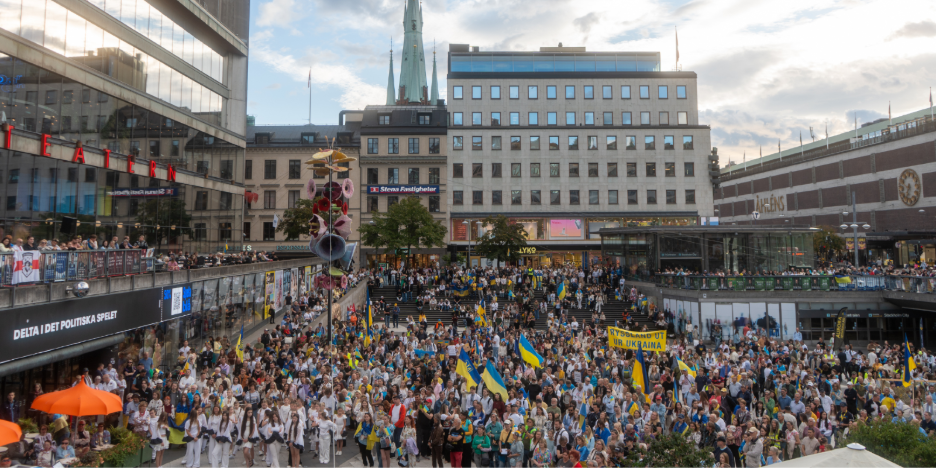
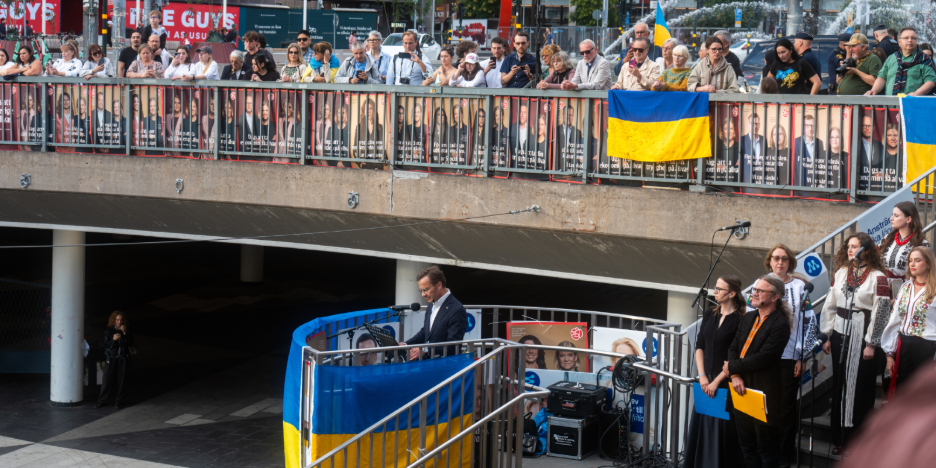
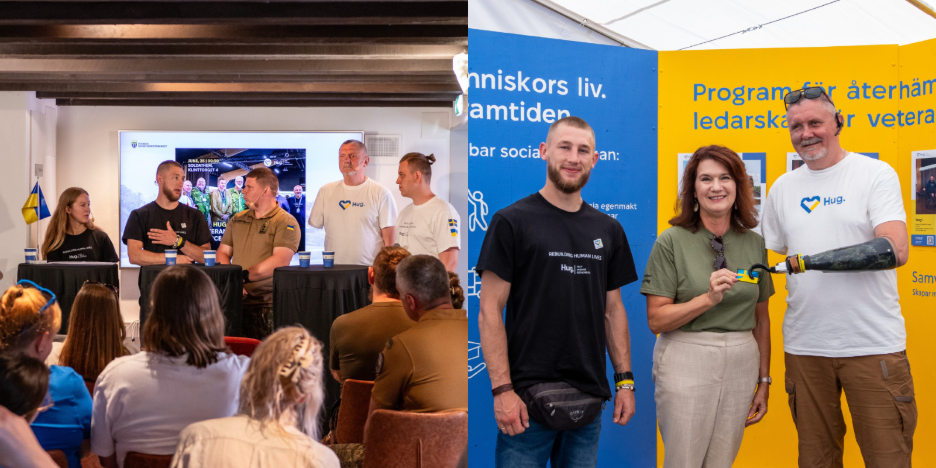
HUG (Help Ukraine Gothenburg) team met with Pål Jonson, Sweden’s Minister of Defence, to discuss Ukraine’s frontline realities and defence cooperation during Almedalen Week.
This year, HUG is joined at Almedalen by a delegation from Ukraine, including veterans, combat medics, and military professionals with firsthand experience of war, recovery, and reintegration. The discussion focused on modern warfare challenges, battlefield experience, and the rapid development of UAV technologies.
The exchange brought together policy and practice — combining Sweden’s defence perspective with direct operational insights from Ukrainian veterans and military professionals. It created a meaningful dialogue on how real-world experience can inform future cooperation and defence development.
During Almedalen Week, the HUG (Help Ukraine Gothenburg) team had the opportunity to meet and speak with Ann Linde, former Minister for Foreign Affairs of Sweden.
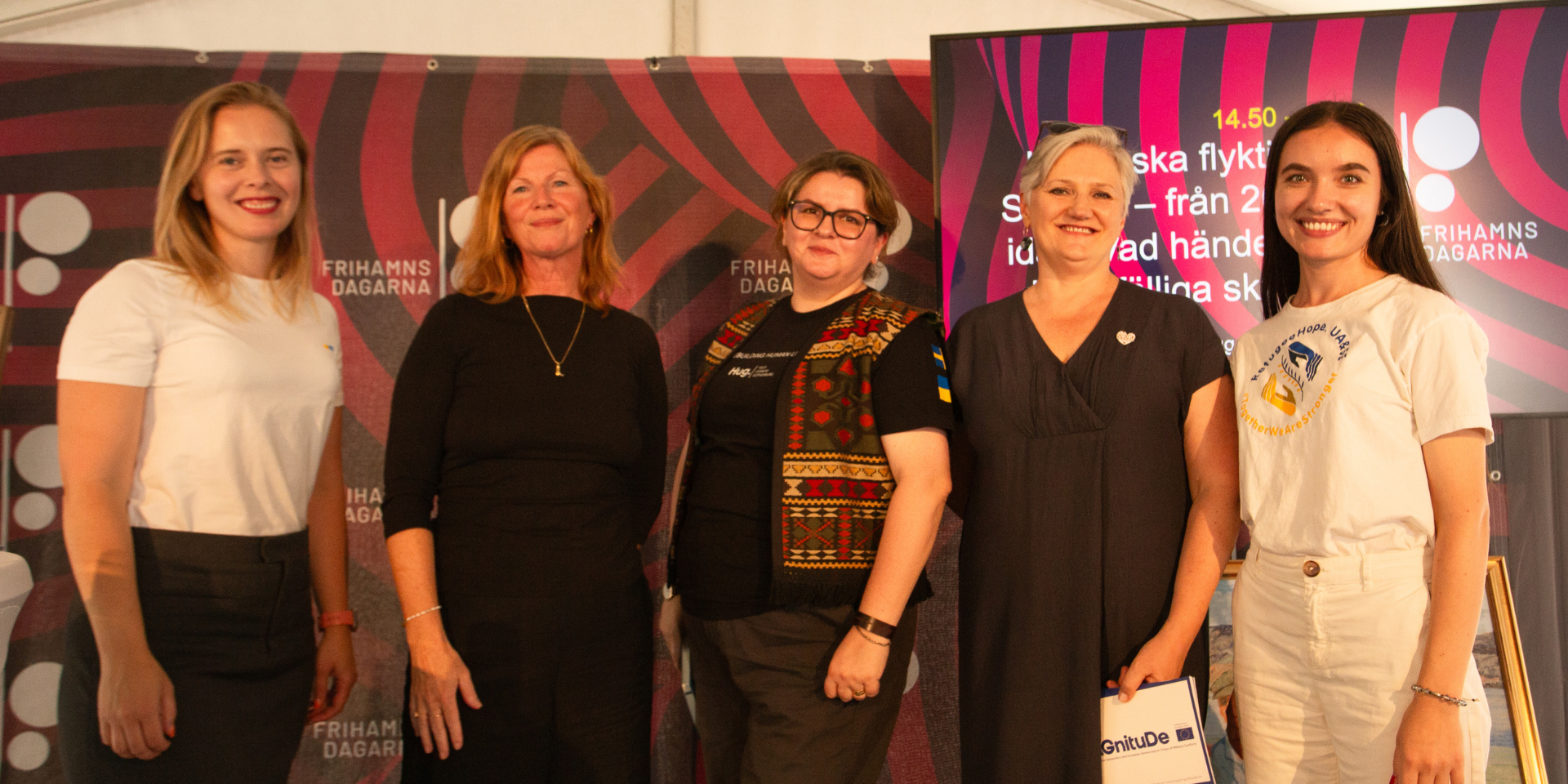
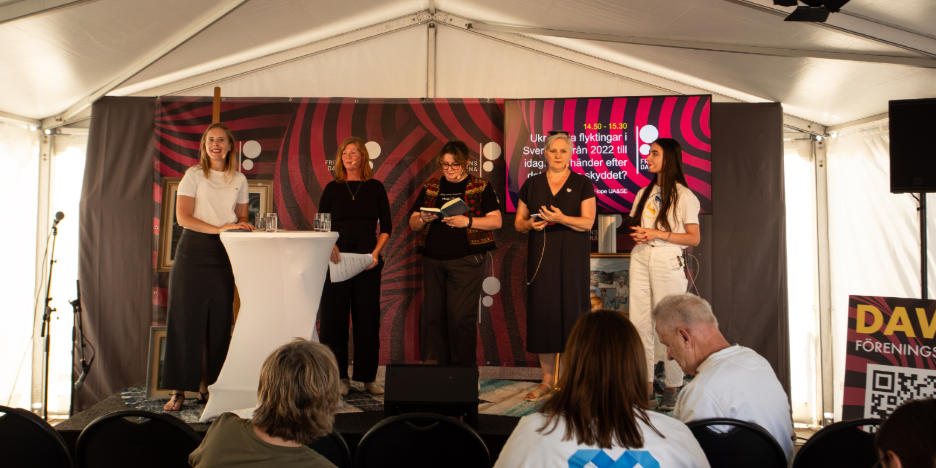
Ann Linde took part in a panel discussion, organized within the Ukrainian Hub, focused on veterans’ experiences and their reintegration into civilian society. The discussion highlighted how veterans, including those returning from Ukraine’s frontline, are often defined not only by their military service, but by the lives and professions they are rebuilding afterwards.
We appreciate that important conversations about veterans' experiences and their reintegration into society are being brought to the forefront. It is valuable to exchange perspectives on how their skills and lived experience can contribute to Ukraine's recovery and long-term societal development, while also offering important lessons for Europe as a whole.
A heartfelt thank you to Ann Linde for your time, engagement, and the meaningful conversation about an issue that matters not only for Ukraine, but for Europe's shared future.
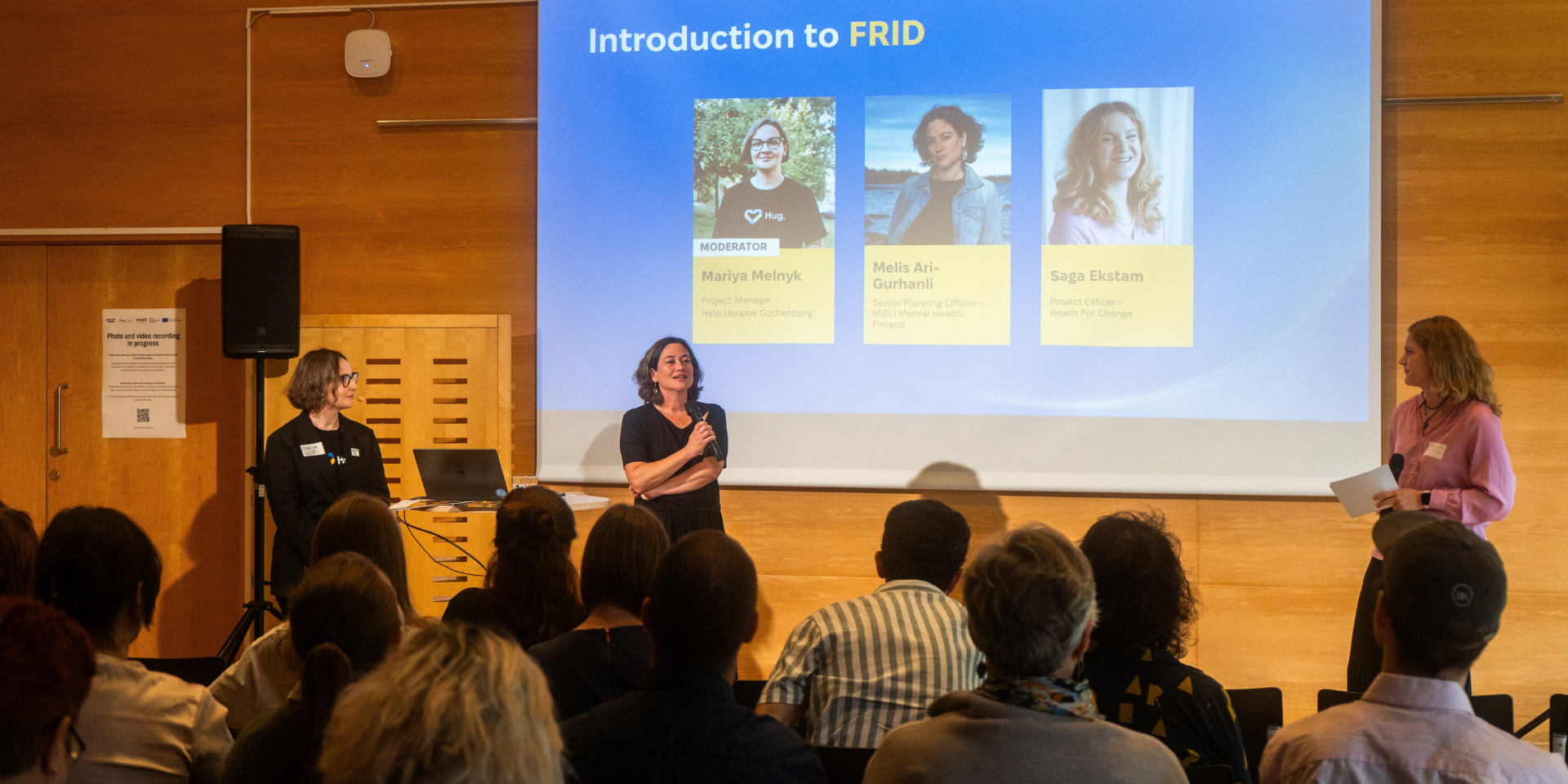
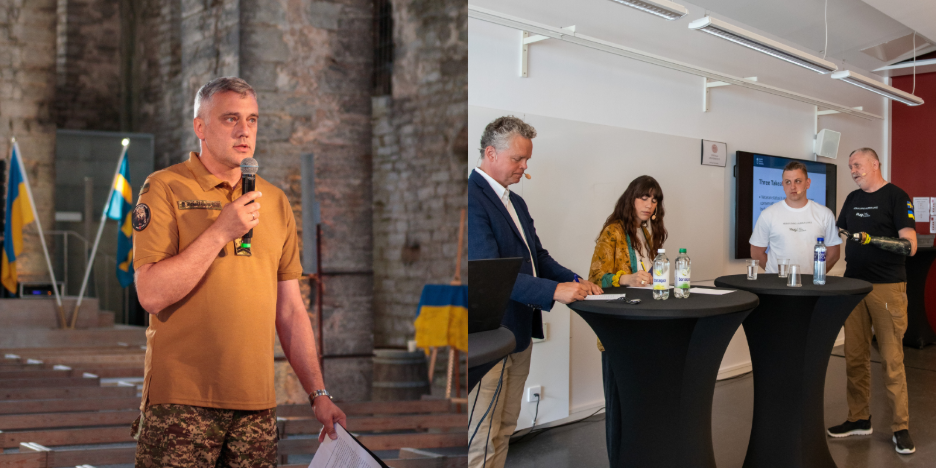
During Almedalen, Hug (Help Ukraine Gothenburg) and The Migration Studies Delegation (Delmi) organized the panel Mental Health as a Bridge to Integration, exploring how mental health and integration are connected in the daily life of displaced Ukrainians in Sweden.
HUG’s findings show that integration barriers and mental health challenges reinforce each other: around 70% of participants reported integration-related difficulties, while 77% reported worsening mental health. Conversely, mental health support can strengthen people’s ability to learn, work, build relationships, and take part in community life.
These findings point to mental health as an essential part of integration. They also align with Sweden’s national strategy for mental health and suicide prevention, which frames mental health as a shared societal responsibility. But what does this responsibility mean in practice?
During the panel, we discussed that it requires a long-term perspective, as well as shared action, coordination, and accountability among all actors involved. This responsibility does not disappear when we fail to act; it only reappears as the shared costs of inaction.
At HUG, through four years of supporting displaced Ukrainians, we have seen how important civil society is in this process. Community-based organizations are often close enough to people to create a sense of belonging, identify needs early, and build trusted pathways to further support. But this role requires sustainable partnerships, predictable funding, and long-term cooperation with public institutions.
We believe that mental health can become a bridge to integration when institutions and communities work together. When we invest in mental health, we invest in integration. When we invest in integration, we invest in the future.
This morning, together with our guests from Ukraine and the Commander-in-Chief of the Swedish Armed Forces, Michael Claesson.
An inspiring and highly important exchange.
At Hug (Help Ukraine Gothenburg), we are dedicated to fostering a powerful ecosystem of collaboration between Ukraine and Sweden. We connect frontline experience with strategic structure, ensuring that impactful cooperation happens directly between people, organizations, and key institutions.
Through our Hug for Heroes program, the value of these insights is clear. Sharing real warfare experience doesn't just build knowledge - it strengthens our collective security and deepens the bond between our countries.
Somewhere in Ukraine, a steel container stands not far from the frontline. Inside, instead of stored supplies, there is a working professional kitchen — stoves, ovens, prep surfaces, and a team in uniform turning out the kind of meals you would not expect to find in a warzone.
This is "Dragobrat," a project that grew out of an idea: with the right equipment and the right people, a container can become more than shelter or storage. It can become a kitchen capable of serving restaurant-quality meals to the Ukrainian Armed Forces.
Chefs in uniforms
The kitchen is run by a serviceman with the callsign "Yogurt," together with his team. In civilian life, they worked as professional chefs. In the military, they have transformed that experience into a structured cooking system designed to improve daily nutrition for troops. The menu draws on standard army supplies, but the difference shows in the hands behind it: familiar ingredients, treated with care, become meals that feel like home.
The team is not stopping where they are.
"Right now we cook for our soldiers from our own brigade, but it should be set up so that more soldiers can eat this way — and eventually, more units across the Armed Forces," says "Yogurt," operational coordinator of the project.
A simple idea that works
What makes "Dragobrat" stand out is not only the quality of the food, but the concept behind it. Instead of relying solely on standard field rations, the team is showing that with the right infrastructure, basic supplies can be turned into full, high-quality meals — even in frontline conditions. The container-based kitchen is now serving as a working model for how military food systems can be improved: practical, scalable, and adaptable to different units.
For HUG, this is another example of how targeted support — equipment, infrastructure, and partnerships — can be turned into something that directly improves daily life for soldiers on the ground, built by people across countries and roles who came together around a shared idea of what is possible.
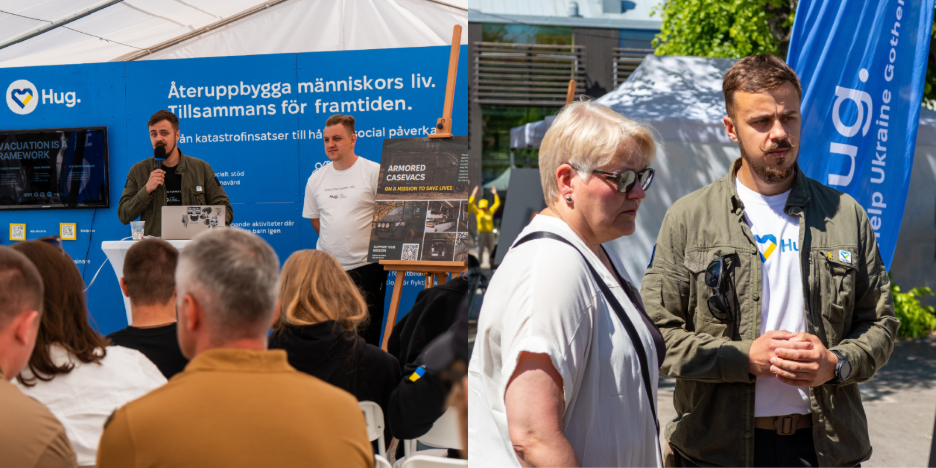
For years, HUG has been delivering CASEVAC vehicles to the front lines. A CASEVAC — is a vehicle built for one purpose: to save lives. It carries no weapons, fights no battles. Its mission is to pull wounded soldiers out of danger and give medics the time and conditions they need to keep them alive on the way back. These vehicles are the fastest, most effective way to bring the wounded out of the fight.
But the battlefield has changed. Medics and evacuation vehicles are under constant attack. Rescue transport is deliberately hunted — because stopping the evacuation means more lives lost. With the rise of FPV drone activity, the journey to safety has become the most dangerous part of a rescue.
Even vehicles already serving on the front are not immune to these strikes. Every lost vehicle means harder access to the wounded, greater risk for medical crews, and fewer chances to bring someone home.
That is why, together with our partners in Ukraine, we began reinforcing our CASEVACs — building them to keep crews and patients moving when others can't.
Meet Babai — our first armored CASEVAC
Babai was the callsign of Serhiy — a Ukrainian defender who gave his life for his country. He was a soldier, a brother-in-arms, a fighter.
The idea to give this vehicle his name came from Serhiy's wife — so that his memory would keep living. We couldn't do anything but say yes. Because we believe, deeply, that remembrance and gratitude are not just words. They are something we do.
What goes into an armored CASEVAC
In Ukraine, these vehicles are re-equipped to meet the realities of modern warfare:
External anti-drone cage protection — reduces the impact of FPV drone strikes by absorbing the hit away from the cabin.
Kevlar interior lining — soft armor that protects medics and patients inside from shrapnel and fragmentation.
Medical equipment — built-in for fast evacuation and emergency care while the vehicle is moving.
Independent power and heating systems — keep the vehicle functioning even in the most critical conditions.
Babai is the first, but we need more
Babai is on its way to the front — but one armored CASEVAC is only the beginning. Medics keep working under fire. Wounded soldiers keep waiting for the ride that will get them out alive. Every new armored vehicle we send is another life-saving evacuation that has a better chance of finishing safely.
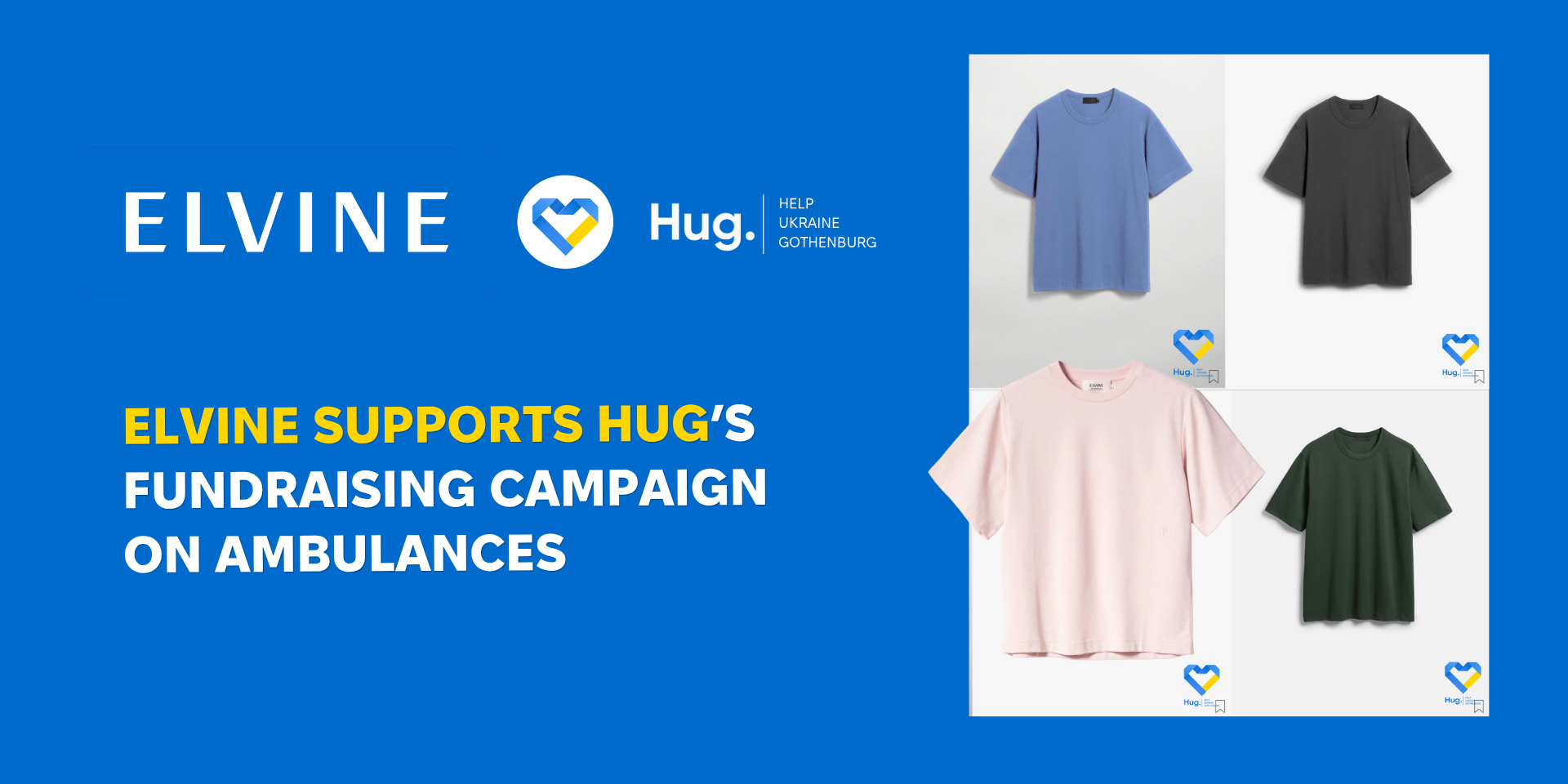
Support our fundraising campaign today and help us protect those who are saving others.
AC vehicles to the front lines. A CASEVAC — is a vehicle built for one purpose: to save lives. It carries no weapons, fights no battles. Its mission is to pull wounded soldiers out of danger and give medics the time and conditions they need to keep them alive on the way back. These vehicles are the fastest, most effective way to bring the wounded out of the fight.
Co-founders of Help Ukraine Gothenburg (HUG), Mariya Melnyk and Kateryna Aleksandrova had the honour of meeting General Michael Claesson, Commander-in-Chief of the Swedish Armed Forces, Andreas Sveningsson, President of Volvo Defense, and our big friend Yuliia Popova during the General's visit to Volvo Defense in Gothenburg.
General Michael Claesson was recently awarded the Cross of Special Merit of the Ministry of Defence of Ukraine — a recognition of his leadership and of Sweden's steadfast support for Ukraine. We are deeply grateful for the chance to see first-hand the close cooperation between Swedish defence and industry that underpins the country's total defence capability.
During the meeting, we shared HUG's mission with the General — the practical, hands-on work we lead from Gothenburg in support of Ukrainian veterans, active-duty military, and civilians whose lives have been profoundly affected by the war.
Thank you to General Claesson and Volvo Defense for the warm welcome, the genuine interest, and the thoughtful conversation.
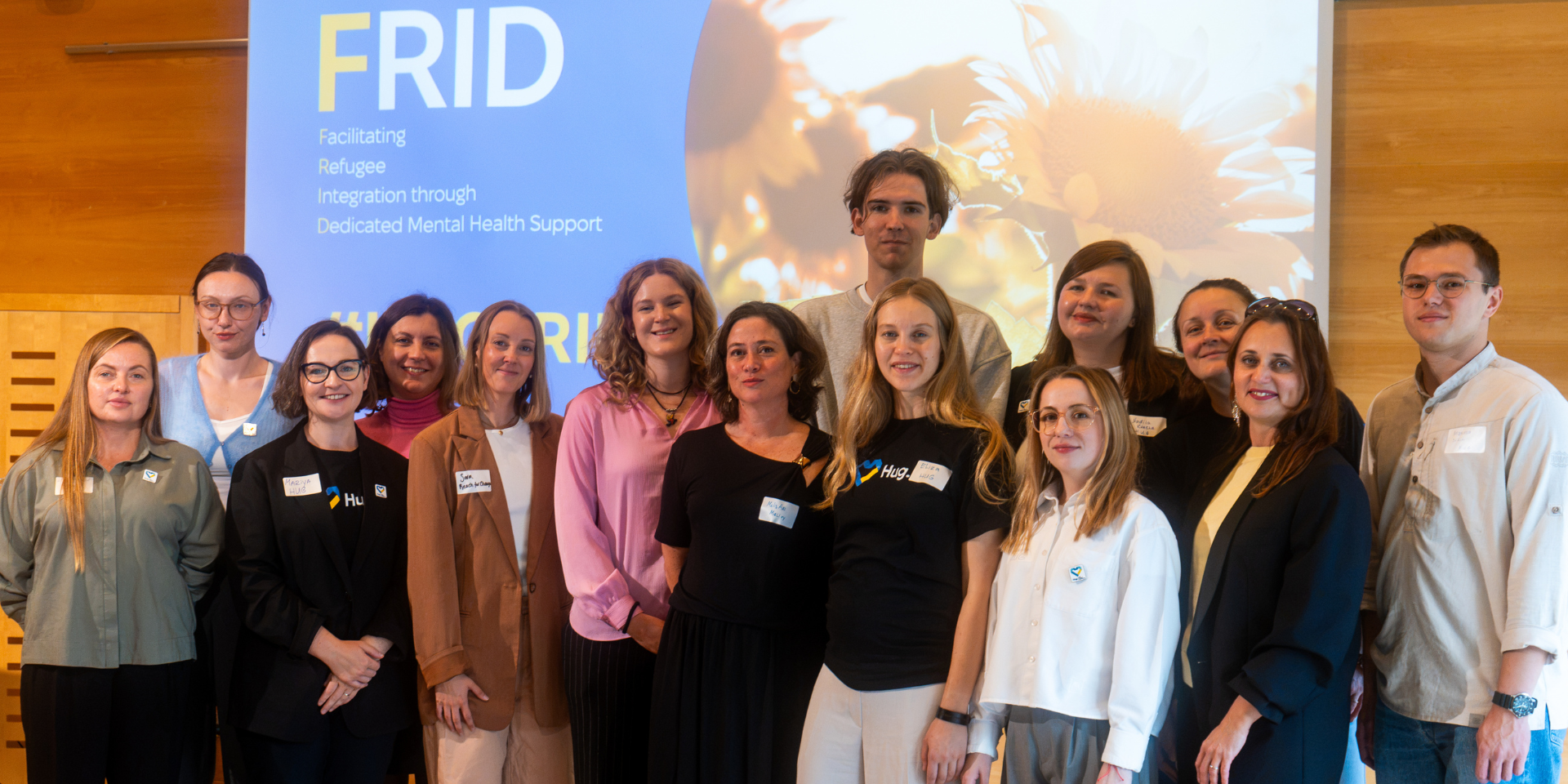
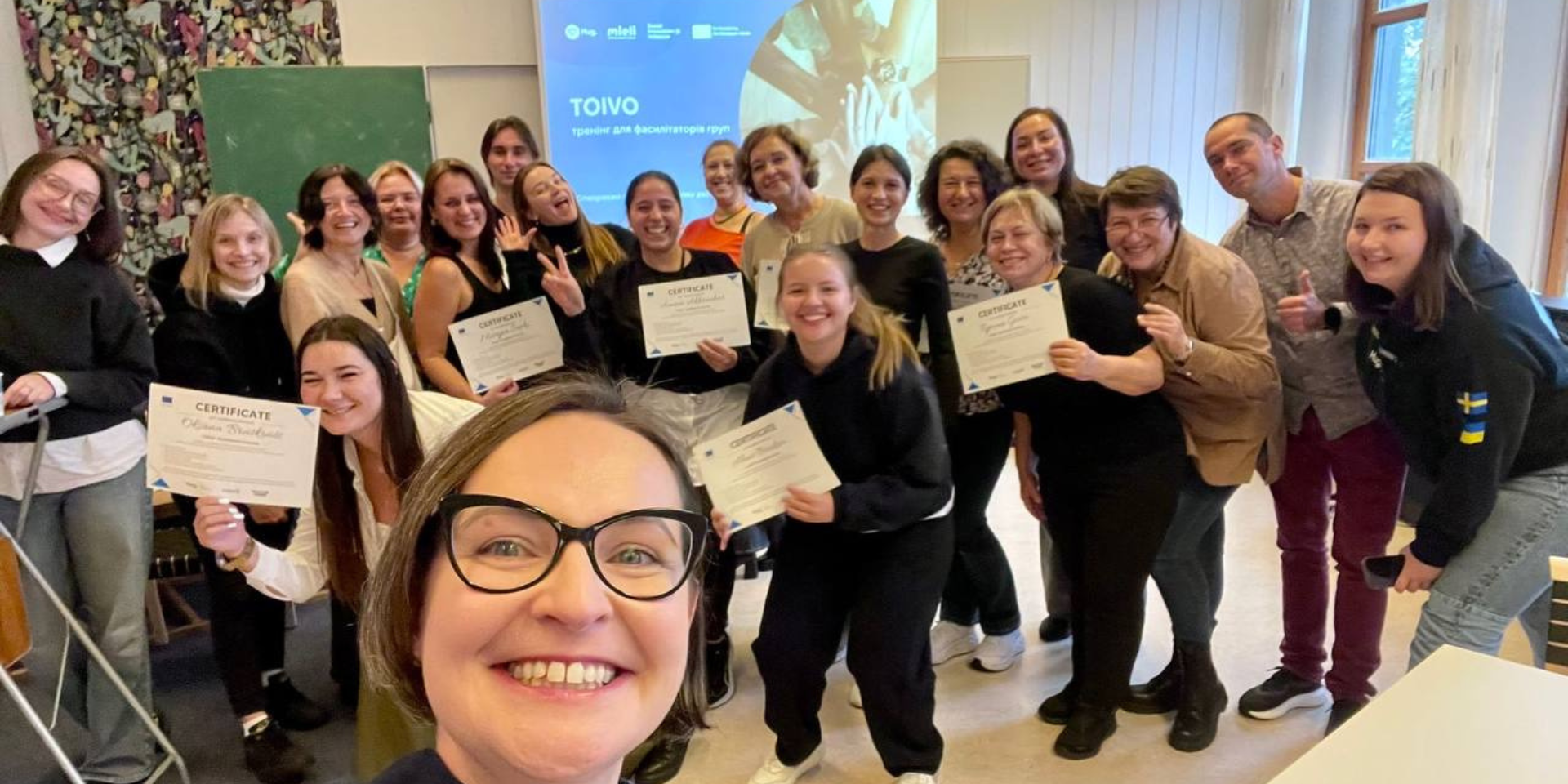
As part of the FRID project, Learning Circles provide a dedicated space for facilitators of peer support groups to come together, reflect, and grow.
Sharing the Knowledge
These sessions are designed to support facilitators in their role by creating opportunities to exchange experiences, share challenges, and learn from one another. While each peer support group is unique, many facilitators encounter similar questions around group dynamics, boundaries, and participant engagement. Learning Circles enable us to explore these topics collectively.
A key strength of the programme is the diversity of groups. Facilitators work with children, teenagers, adults, and seniors — each group bringing different needs, perspectives, and energy. This diversity makes the exchange especially valuable: insights from one context often inspire new approaches in another.
Creating a Safe Space
Through these conversations, facilitators:
reflect on how their groups affect them emotionally and professionally
share practical strategies and activities that have worked well
discuss challenges in a supportive and understanding environment
co-create a growing “bank of ideas” that others can draw from
Expanding Support Networks
Learning Circles strengthen a sense of community among facilitators, reducing isolation and reinforcing resilience in their work. We believe that by learning together, they are better equipped to support their groups – ultimately contributing to stronger mental health and social integration outcomes for displaced Ukrainian in Sweden.
Feeling heard, understood, and supported can make a real difference
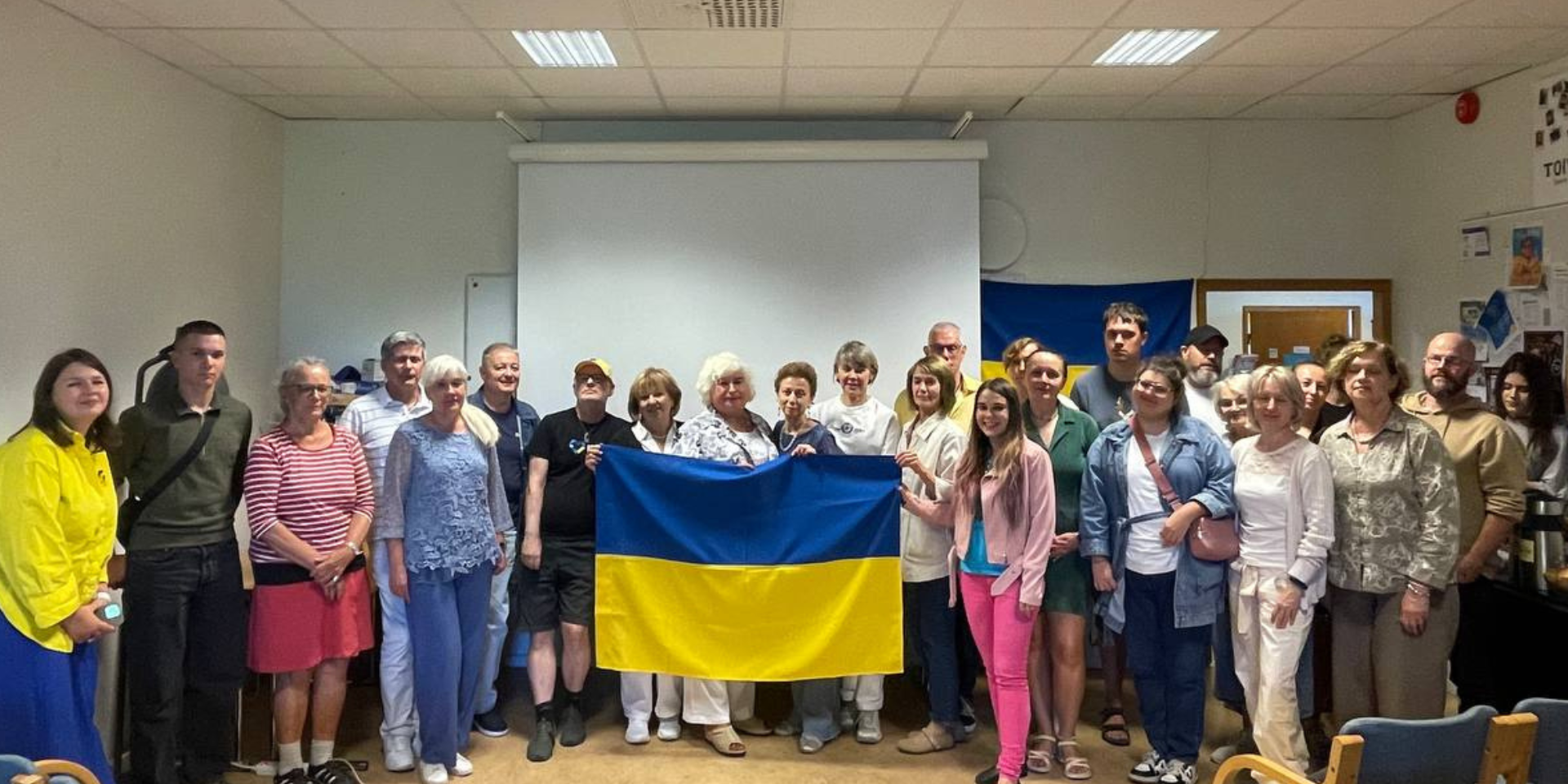
Support often begins with something simple: people coming together. In partnership with Mölndal Municipality, HUG recently brought together Ukrainian participants in Mölndal for a series of peer support meetings focused on mental health, wellbeing, and integration.
Peer support meetings are based on the idea that people facing similar challenges can learn from and strengthen one another. For displaced Ukrainians, these meetings can offer a space to share experiences, talk about challenges and needs related to integration, and encourage one another.
Because displacement often brings stress, uncertainty, and isolation, each meeting was designed to foster a sense of belonging and explore small, practical ways to support wellbeing in everyday life.
The idea behind small steps is that even modest actions can lead to meaningful change, and we were able to witness that change firsthand. Participants explored strategies for coping with stress, techniques for improving sleep, and ideas for staying physically active. They also reflected on the importance of creativity, spontaneity, and cultural and social participation in community life.
Over time, the group became a safe and caring space built on trust, encouragement, and shared understanding. At the final meeting, participants shared that they had become close friends and were ready to support one another even after the group had ended.
As one participant shared, "These groups were important to me because of mutual understanding, the opportunity to communicate freely and safely, and in my native language".
For us, this experience was another reminder that recovery starts with a sense of belonging and hope.
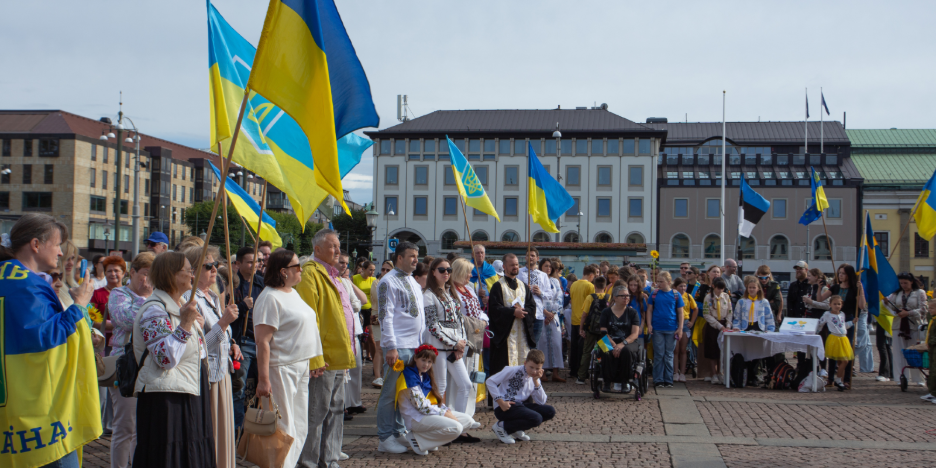
Yesterday at HUG, we organized a football broadcast for our Swedish and Ukrainian fans. It was an extraordinary evening of unity of the yellow-blues — emotions, support, and a real sense of community. About 50 people came and donated to our collection for evacuation vehicles for medics on the front.
Yesterday, we had the pleasure of welcoming Sweden's State Secretary Karin Juhlin to Hug (Help Ukraine Gothenburg). Our team had the opportunity to present our work and share the current situation and challenges that Ukraine and Ukrainians are facing today.
We sincerely thank Karin Juhlin for the visit, the support, and the recognition of our work. We are looking forward to continuing the dialogue and strengthening our cooperation to support Ukraine.
Part of the school furniture donated by Alingsås kommun, Alingsåshem, and Sweco through HUG has now been installed in a kindergarten and a shelter in the Kharkiv region.
Desks, chairs, tables, and cabinets from the former Ingared school in Alingsås are now being used by children who continue their education despite the war. For many communities in eastern Ukraine, schools and kindergartens operate in damaged buildings or underground shelters due to constant security risks.
It is heartwarming to see these materials being reused to support Ukrainian children. We are deeply grateful to our Swedish partners for making this possible and to our local teams for ensuring the equipment reached the classrooms and shelters safely.
“We work with many different types of support, both for Ukrainians in Sweden and for those who remain in Ukraine. This includes humanitarian aid such as medicines and hygiene products, as well as psychological support for Ukrainians living here in Sweden. We also support war veterans who have lost limbs and received prosthetics, helping them recover and return to a normal life,” says Mykola Ivkin, Project Manager at HUG, together with his colleague Olena Petrus.
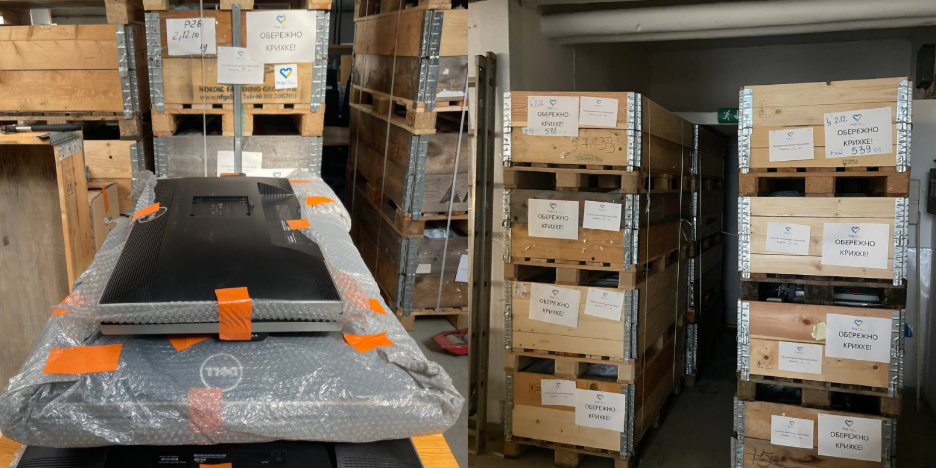
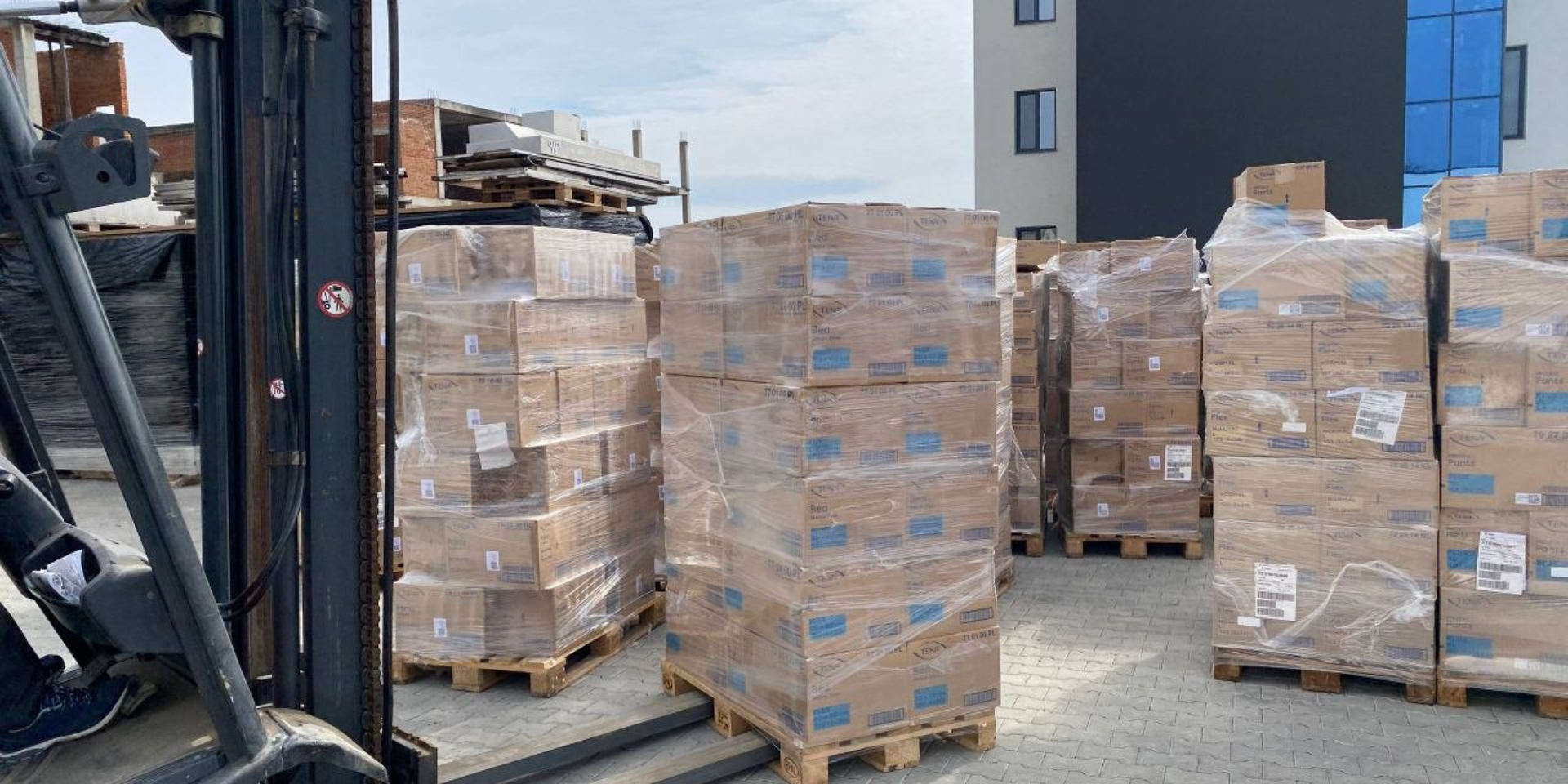
In total, more than 60 pallets will be transported to Ukraine, and half of the cargo — including equipment and school furniture — has already reached one of the most heavily affected regions of the country.
“Many schools in Ukraine have been destroyed or damaged by Russian attacks, and the front line is constantly shifting. As a result, education often has to take place underground, in shelters, to keep children safe,” says Mykola, continuing:
“Thanks to our donors, who help collect and organize everything here, we are able to send equipment to the Kharkiv region — an area that has been severely affected by the war. The furniture from Ingared School will be of great use there.”
Behind the wheel are often Ukrainian drivers who have a deeply personal motivation to help.
“We had a driver who almost loaded the entire truck by himself because he was from a region that had been under occupation. He knew what this meant.”
Mykola explains that despite the war, it is still relatively safe to remain in the country — but civilians are frequently targeted. Due to constant attacks on residential areas and civilian infrastructure, people must always be prepared for air raids and bombings.
“This is a full-scale war, but many people continue to live their lives. Children go to school, adults work, and people still meet for coffee. After a bombing, a grocery store often reopens immediately. This is part of Russia’s strategy — to destroy our everyday life. So continuing to live as usual is also part of our resistance,” he says.
Also present at the fire station is Karin Hallingström, Recycling Coordinator at Sweco and consultant for Alingsåshem. She explains that the demolition of the old Ingared School became the starting point for a new reuse initiative.
“I saw that there was great potential for reuse. Since then, we’ve been able to implement some reuse solutions, but above all, there was still a large amount of furniture and interior materials left. That’s when we realized it was far better to send them to Ukraine than to throw them away,” she says.
Call to Action
Ukraine continues to need support — and together, we can make a real difference.
👉 Support Help Ukraine Gothenburg (HUG) by donating, partnering, or volunteering. 👉 Help us deliver critical aid, support mental health programs, and rebuild lives. 👉 Every contribution matters.
Join us in standing with Ukraine.
Learn more – https://www.lokalpressen.se/skolmobler-fran-ingared-far-nytt-liv-i-ukraina-6.2.3770.231e7c40dd
This article is about Ukrainian children who, despite everything, continue to learn, grow, and dream. And about the adults who are by their side, so that no one has to do it alone. At HUG, we believe that real change happens where there are shared values and genuine trust. That is exactly what brought us together with Star for Life Ukraine – a shared vision of what tomorrow could look like. We both believe in creating safe environments where young people can learn, find inspiration, and take their first steps towards a new future. When those forces meet, doors that previously seemed closed forever open.
“One of the areas of our work at HUG is creating a safe space where young people can gain knowledge, find inspiration, and take the first steps towards a new profession,” notes the representative of the organization, Yehor Suslenko.
The results are spot on. In the eyes of children, something new ignited. That moment when learning stops feeling like a duty - and starts to feel like something that really matters.
This is a place where children find faith in themselves, feel seen, and know that they are not alone.
Thank you, Star for Life Ukraine, for your trust, your openness, and this collaboration.
When you become a monthly donor, we want to say thank you — with something made in Ukraine, by Ukrainians. Every new monthly donor giving 350 SEK or more will receive a complimentary pack of Ukrainian specialty coffee, shipped straight to your door.
It's a full-bodied coffee where elegant notes of hazelnut meet the sweetness of dark mulberry — crafted with care in Ukraine and brought to you as a small token of gratitude for your big-hearted support.
Every donation creates real, lasting change. HUG takes 0% in administrative fees — meaning every single krona of your monthly donation goes directly to humanitarian aid for Ukraine.
Thank you for your support - together we make a difference. 💙💛
Thanks to the support of our partners, HUG delivered another batch of tourniquets to Ukraine. A tourniquet is a simple strap that stops life-threatening bleeding by cutting off blood flow to an injured limb.
Applied in seconds, it keeps someone alive long enough to reach proper medical care. On the frontlines, where ambulances can't always get through and hospitals are hours away, these simple straps give someone a chance to survive until help arrives.
We are deeply grateful to everyone who supported our fundraising campaign and helped us to provide more life-saving equipment.