Want to make a difference? Join our monthly newsletter and stay updated on our latest projects, success stories, and opportunities to support our work.
Getting to know Sweden through one of its most iconic brands – that's how another day of Hug for Heroes began.
Visits like this are an important part of the Hug for Heroes programme. They are designed to inspire participants and encourage them to reflect on how new knowledge, ideas, and perspectives can be applied in different areas of life and their personal recovery journeys.
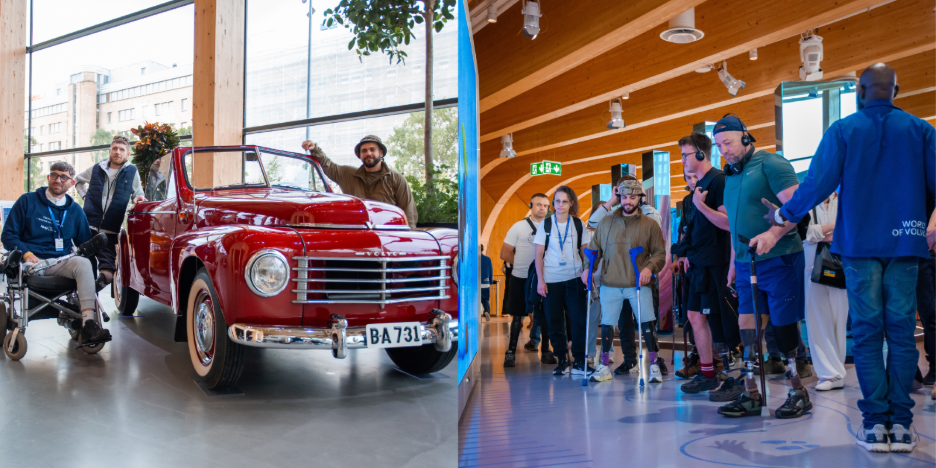
Our participants visited World of Volvo in Gothenburg, exploring decades of automotive history, from the brand's earliest models to visionary concept cars that offer a glimpse into the future of mobility.
Participants tested exhibits, stepped into Volvo’s most memorable moments, and even recreated the famous Volvo split challenge.
A heartfelt thank you to Volvo Group and the World of Volvo team for opening your doors to our participants and making this experience part of the Hug for Heroes journey. 🇸🇪🇺🇦
When people try a prosthetic, they are not only interacting with a device – they are imagining how it could fit into their everyday lives. That experience can be empowering, helping shift perspectives on ability, recovery, and what future reintegration may look like.
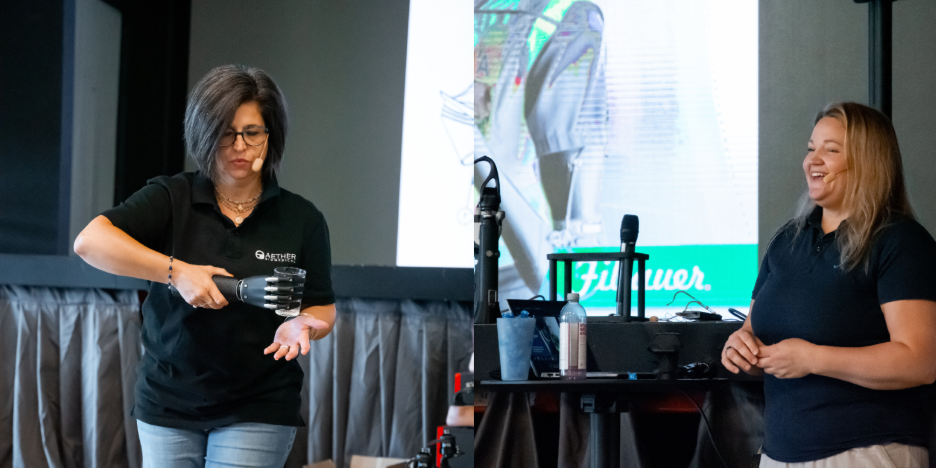
HUG was happy to welcome Fillauer Europe back to Hug for Heroes for the second year in a row, together with partners from Aether Biomedical. The Hug for Heroes programme took place in June, and the day with Fillauer and Aether Biomedical formed part of its educational component, focused on broadening participants’ understanding of current possibilities in prosthetics and rehabilitation.
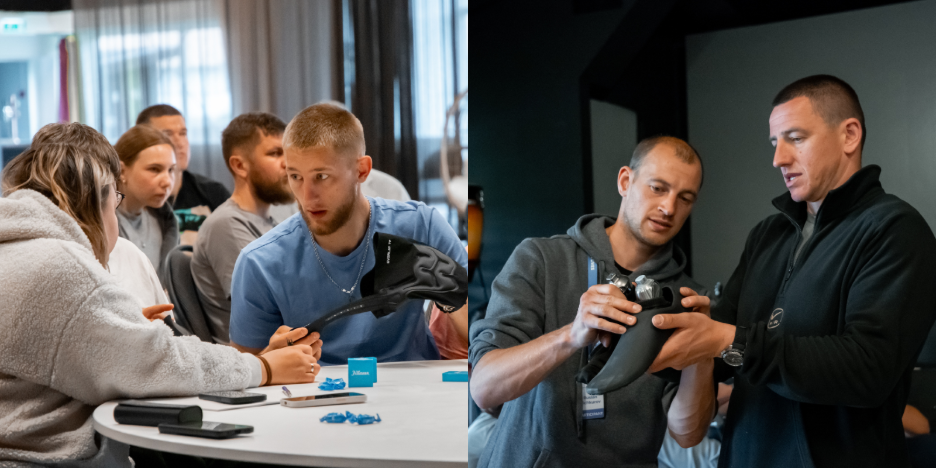
The day began with a lecture, introducing different prosthetic solutions, current developments in the field, and the range of options available today. This was followed by a hands-on practical session, where participants could try different prosthetic components in practice.
The aim of the day was to create a learning experience grounded in real interaction – allowing participants to explore what is currently possible in prosthetics, and how different solutions can support mobility in everyday life. By testing and comparing models, they could experience differences in movement, balance, stability, and overall control.
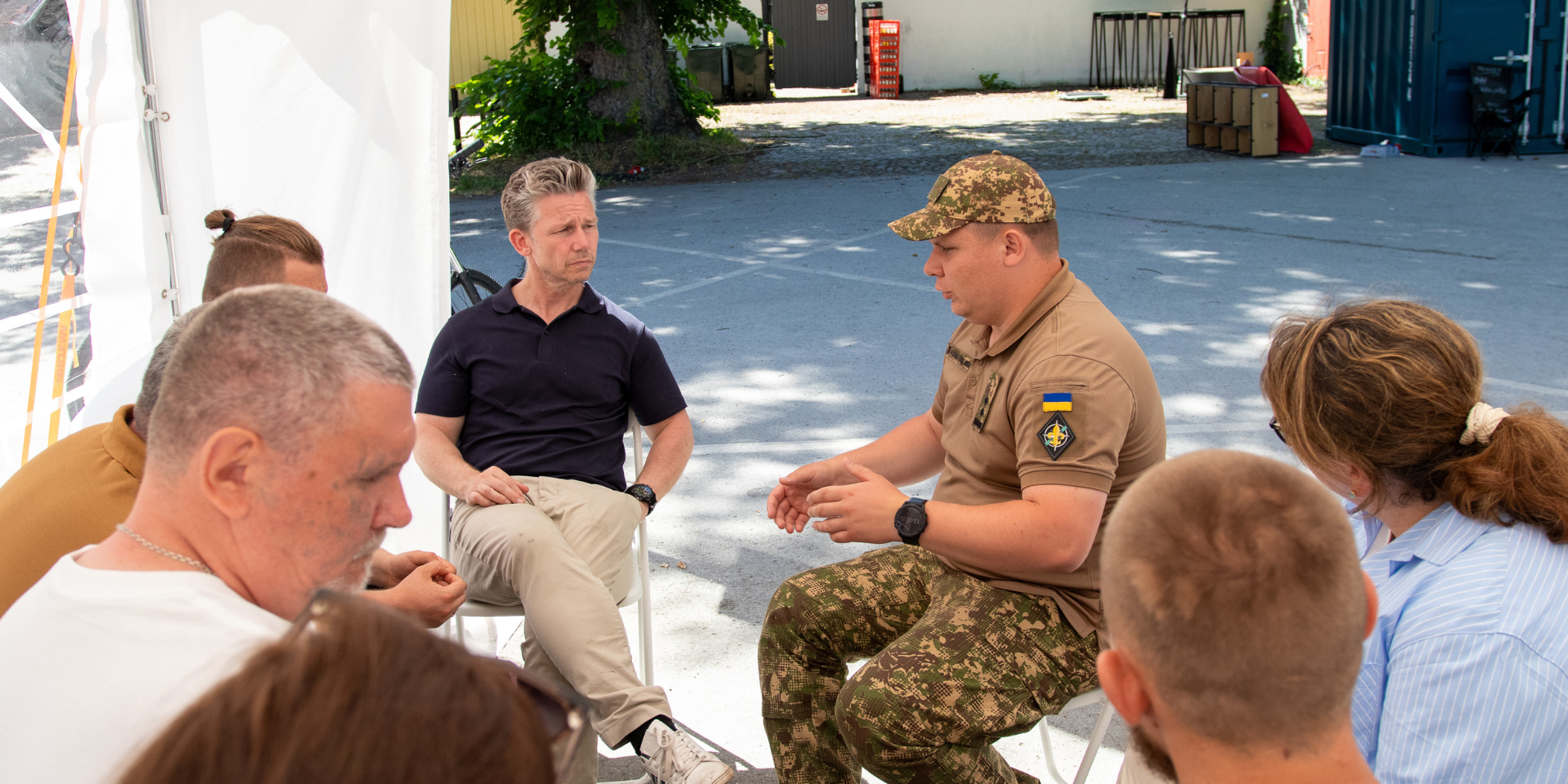
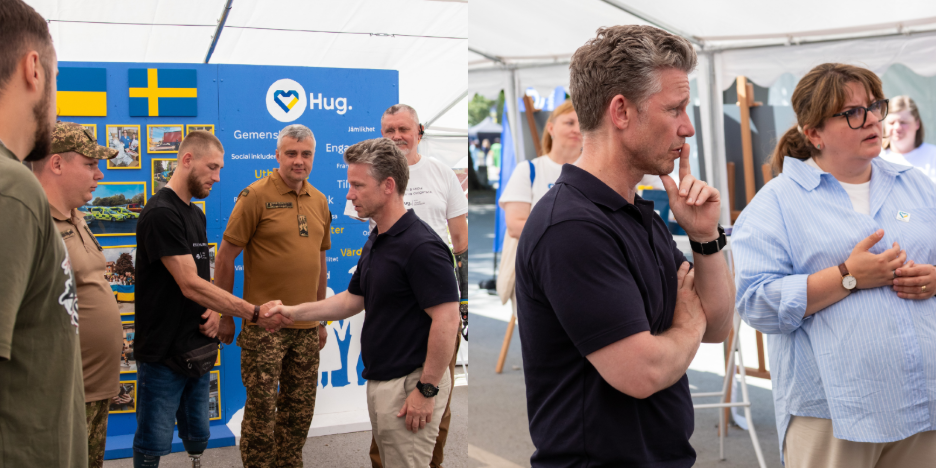
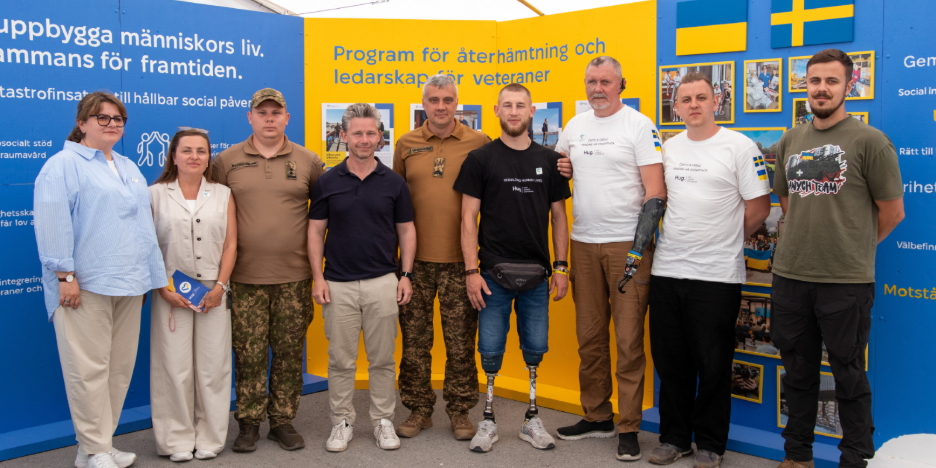
HUG (Help Ukraine Gothenburg) team met with Pål Jonson, Sweden’s Minister of Defence, to discuss Ukraine’s frontline realities and defence cooperation during Almedalen Week.
This year, HUG is joined at Almedalen by a delegation from Ukraine, including veterans, combat medics, and military professionals with firsthand experience of war, recovery, and reintegration. The discussion focused on modern warfare challenges, battlefield experience, and the rapid development of UAV technologies.
The exchange brought together policy and practice — combining Sweden’s defence perspective with direct operational insights from Ukrainian veterans and military professionals. It created a meaningful dialogue on how real-world experience can inform future cooperation and defence development.
What happens to the skills and experience built during years of military service when that chapter of life comes to an end?
For veterans, the transition to civilian life can involve much more than finding a new job. It can mean reconsidering who you are, what you can do, and where your experience still has a place – especially after a serious injury changes the path you once expected to follow.
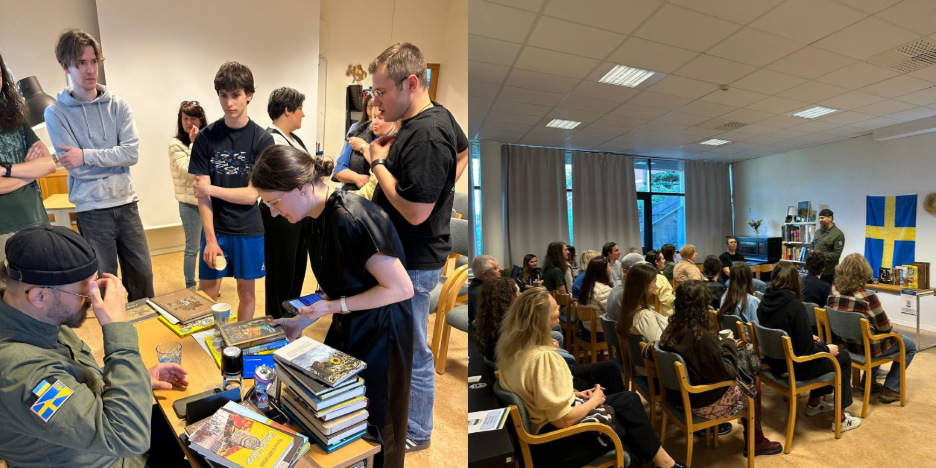
This was the starting point for a session led by Gabriel von Knorring during the HUG for Heroes programme in June. A Swedish Army officer, former EOD team commander, military academy instructor and founder of Unbreakable Mind, Gabriel invited our participants to look at these skills from a new perspective and explore how they can be applied beyond the military environment.
As part of the educational component of HUG for Heroes programme, Gabriel led a session on leadership, decision-making under pressure, trust, responsibility and teamwork for our participants. He invited them to look at these skills from a new perspective - and explore how they can be applied beyond the military environment.
For veterans recovering from serious injuries, thinking about life beyond service can mean imagining an entirely new future. A military role may no longer be possible in the same way, but that does not mean that everything built through years of service has to be left behind. Recognising these strengths is often the first step in reintegration.
At HUG for Heroes, we want our participants to leave the programme not only with new experiences, but with a stronger sense of what they can bring to the future – in their careers, communities and everyday lives.
The experience gained through service does not have to stay in the past. It can become part of the foundation for what comes next.
Thank you, Gabriel von Knorring, for sharing your experience and helping our participants see their strengths in a new way. 🇸🇪🇺🇦
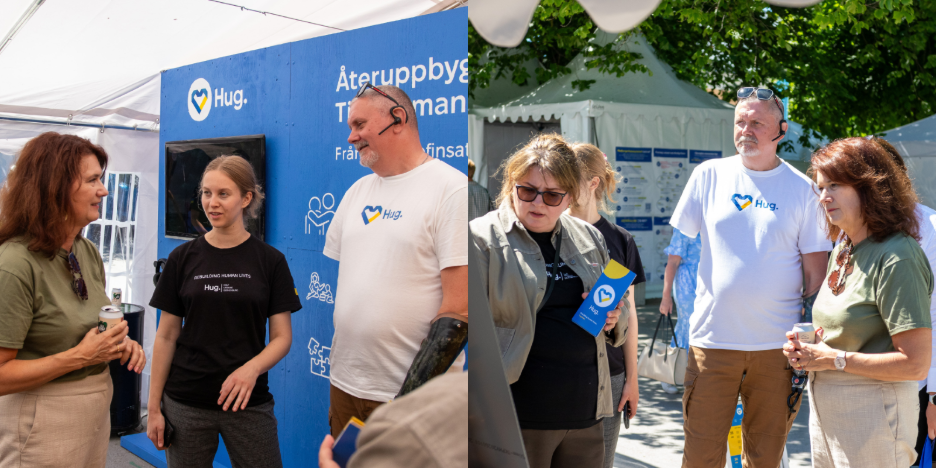
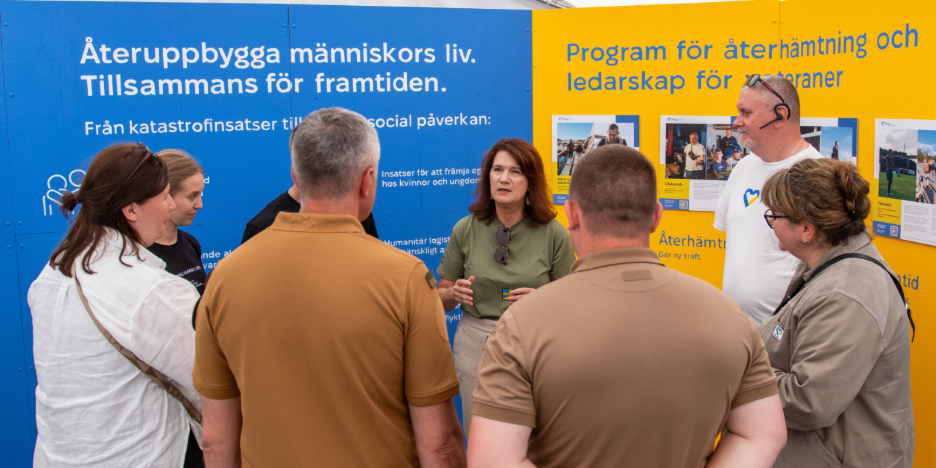
During Almedalen Week, the HUG (Help Ukraine Gothenburg) team had the opportunity to meet and speak with Ann Linde, former Minister for Foreign Affairs of Sweden.
Ann Linde took part in a panel discussion, organized within the Ukrainian Hubben, focused on veterans’ experiences and their reintegration into civilian society. The discussion highlighted how veterans, including those returning from Ukraine’s frontline, are often defined not only by their military service, but by the lives and professions they are rebuilding afterwards.
We appreciate that important conversations about veterans' experiences and their reintegration into society are being brought to the forefront. It is valuable to exchange perspectives on how their skills and lived experience can contribute to Ukraine's recovery and long-term societal development, while also offering important lessons for Europe as a whole.
A heartfelt thank you to Ann Linde for your time, engagement, and the meaningful conversation about an issue that matters not only for Ukraine, but for Europe's shared future.
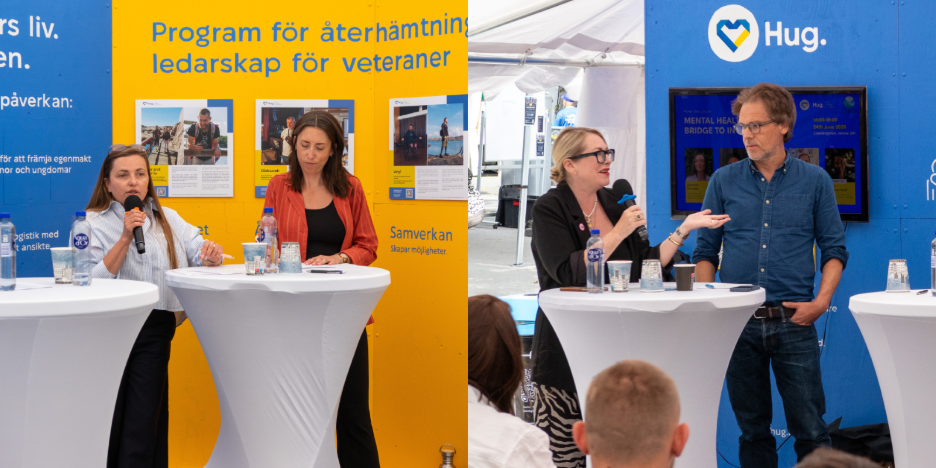
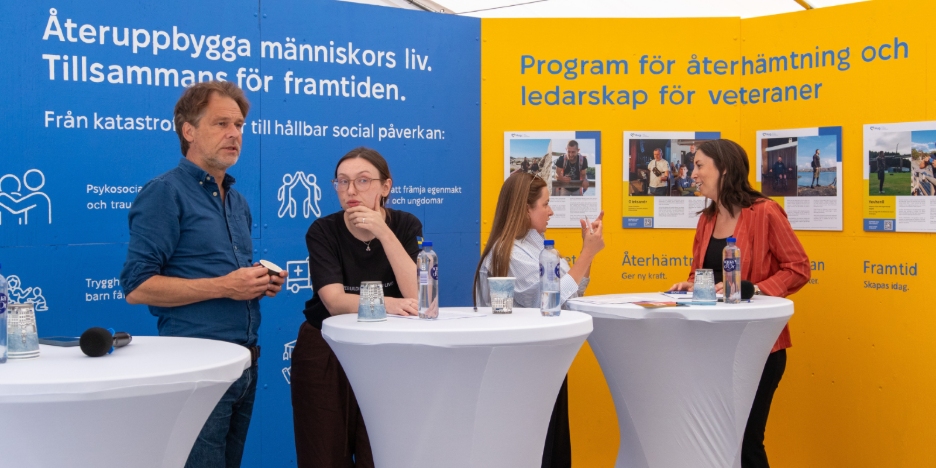
During Almedalen, Hug (Help Ukraine Gothenburg) and The Migration Studies Delegation (Delmi) organized the panel Mental Health as a Bridge to Integration, exploring how mental health and integration are connected in the daily life of displaced Ukrainians in Sweden.
HUG’s findings show that integration barriers and mental health challenges reinforce each other: around 70% of participants reported integration-related difficulties, while 77% reported worsening mental health. Conversely, mental health support can strengthen people’s ability to learn, work, build relationships, and take part in community life.
These findings point to mental health as an essential part of integration. They also align with Sweden’s national strategy for mental health and suicide prevention, which frames mental health as a shared societal responsibility. But what does this responsibility mean in practice?
During the panel, we discussed that it requires a long-term perspective, as well as shared action, coordination, and accountability among all actors involved. This responsibility does not disappear when we fail to act; it only reappears as the shared costs of inaction.
At HUG, through four years of supporting displaced Ukrainians, we have seen how important civil society is in this process. Community-based organizations are often close enough to people to create a sense of belonging, identify needs early, and build trusted pathways to further support. But this role requires sustainable partnerships, predictable funding, and long-term cooperation with public institutions.
We believe that mental health can become a bridge to integration when institutions and communities work together. When we invest in mental health, we invest in integration. When we invest in integration, we invest in the future.
This morning, together with our guests from Ukraine and the Commander-in-Chief of the Swedish Armed Forces, Michael Claesson.
An inspiring and highly important exchange.
At Hug (Help Ukraine Gothenburg), we are dedicated to fostering a powerful ecosystem of collaboration between Ukraine and Sweden. We connect frontline experience with strategic structure, ensuring that impactful cooperation happens directly between people, organizations, and key institutions.
Through our Hug for Heroes program, the value of these insights is clear. Sharing real warfare experience doesn't just build knowledge - it strengthens our collective security and deepens the bond between our countries.
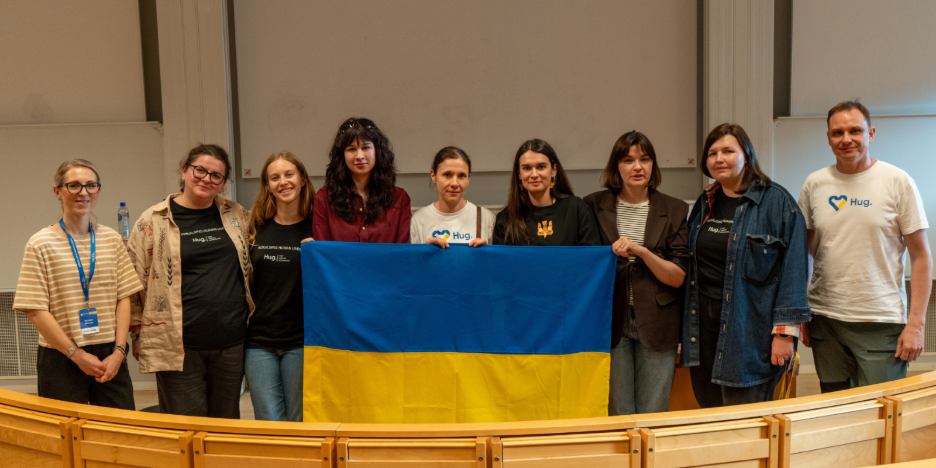
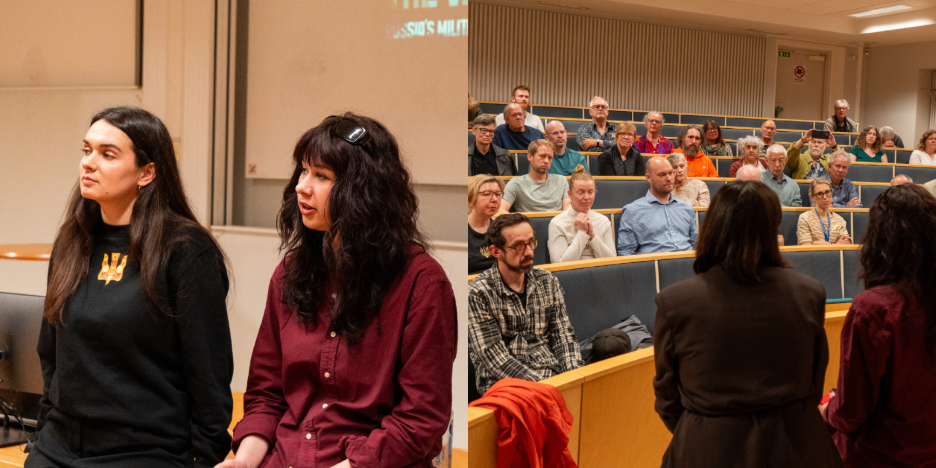
Help Ukraine Gothenburg (HUG) together with The Kyiv Independent, hosted a documentary screening and panel discussion in Gothenburg featuring The War They Play.
The documentary reveals how Russia uses schools, youth organisations, and everyday life in the occupied territories to indoctrinate Ukrainian children and prepare them for future military service.
We were honoured to welcome Yevheniia Motorevska, Olesia Bida, and Anastasiia Mozghova, who shared insights into the investigation behind the film and spoke about why documenting and exposing these crimes is so important.
Events like this are an essential part of HUG's work in support of Ukraine. By bringing these stories to Swedish audiences, we help deepen understanding of what life under occupation looks like and keep attention focused on issues that demand justice, accountability, and sustained international engagement.
A heartfelt thank you to everyone who joined us, asked thoughtful questions, and took part in the discussion. Together, we help raise awareness, inspire engagement, and create space for stories that need to be heard.
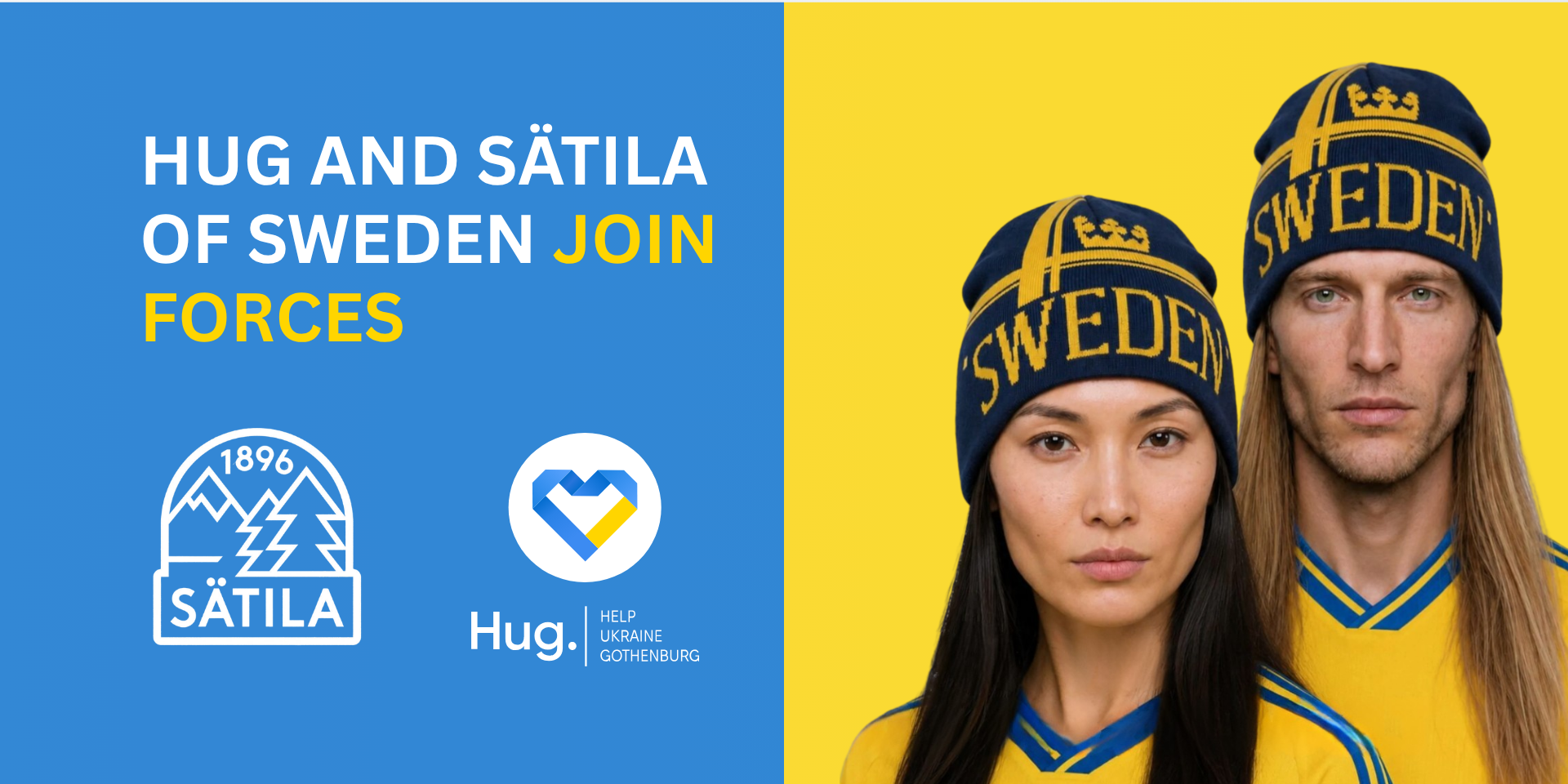
Sätila of Sweden has been making hats and scarves in a small village in Västra Götaland for over 130 years. They're the people behind the original Stenmark beanie - the hat that Ingemar Stenmark made iconic on ski slopes across the world in the 70s. Designed and produced in Sweden for generations, Sätila has built its name around quality craftsmanship and responsible business practices.
This year, they chose to stand with Ukraine.
Together we launched a campaign in support of The Ambulance Initiative — a project started by HUG and Omnistaff to raise funds for ambulances and rescue vehicles for the frontline in Ukraine. Sätila joined by dedicating a selection of their products to the cause: 10% from every HUG-marked item sold goes directly to the initiative.
For us at HUG, it matters when a business doesn’t just communicate its values but actually acts on them. That's the kind of partnership that keeps us going.
We are deeply grateful to Sätila for their trust, support, and for being part of this meaningful initiative. Together, we build a better future.
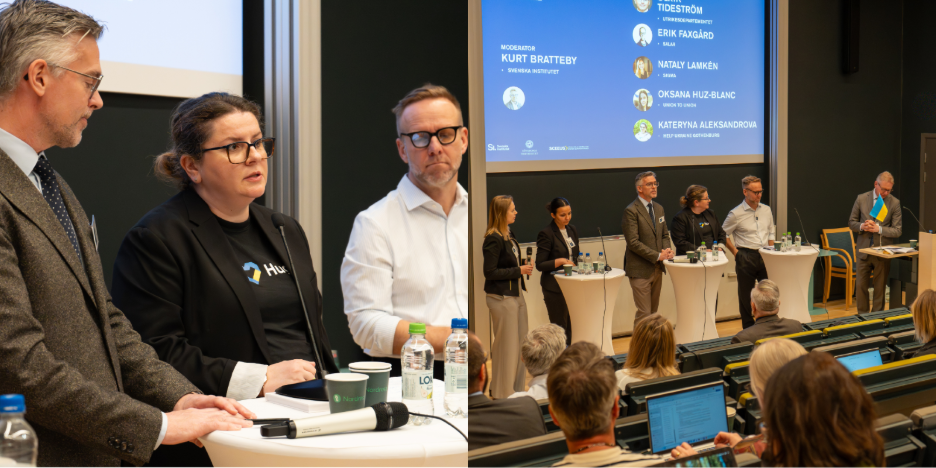
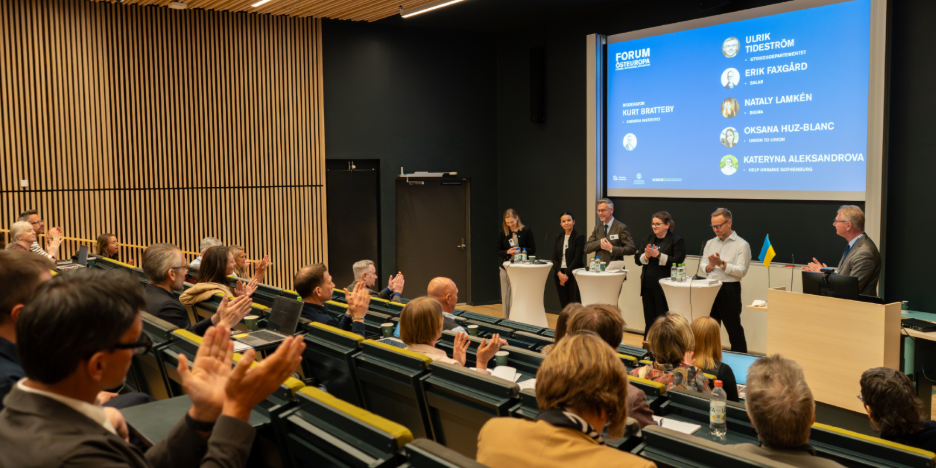
This month, HUG took part in Forum Eastern Europe 2026, hosted by the University of Gothenburg, the Stockholm Centre for Eastern European Studies, and the Swedish Institute. The forum brings together a broad range of stakeholders—including public authorities, civil society, academia, and the private sector—and serves as a key platform for dialogue on regional security, resilience, and development, highlighting Eastern Europe’s, especially Ukraine’s, crucial role in Europe’s future.
An inspiring opening by Fredrik Löjdquist highlighted Ukraine’s vital role in modern Europe and the meaning of resilience in today’s geopolitical landscape, emphasizing Ukraine as a producer of security. This was followed by a powerful talk and workshop by Klara Lindström, who shared a strong perspective on Ukraine’s path toward EU integration, outlining ongoing reforms and needs, enriched by her firsthand experience working in the heart of Ukraine’s resilience and transformation.
During the panel discussion "Ukraina här och nu", our co-founder Kateryna Aleksandrova joined Ulrik Tideström, Special Envoy for Ukraine – Reconstruction, Business Sector and Development UD, Kurt Bratteby from Swedish Institute, Erik Faxgård from SALAR, Nataly Lamkén from Sigma, and Oksana Huz-Blanc from Union to Union to discuss how Swedish actors can strengthen cooperation and create stronger synergies in support of Ukraine's future and EU integration. All participants shared strong, practical examples of the support already provided to Ukraine and were aligned in emphasizing that Ukraine’s future lies in building long-term partnerships and actively sharing knowledge and experience.
A recurring highlight throughout our discussions was the role of Ukrainian veterans as a key area for long-term cooperation between Ukraine and Sweden. Kateryna highlighted veterans as an important area for long-term cooperation between Ukraine and Sweden. Ukrainian veterans are returning to civilian life with valuable leadership, experience, and resilience that will shape the future of Ukrainian society and Europe’s long-term security. How societies support this transition - through healthcare, mental health support, employment, and inclusion - will play an important role in rebuilding strong and democratic communities.
We are grateful to have been part of these important conversations and left both inspired and motivated to contribute further. It is genuinely encouraging to be part of a growing collaboration between civil society, institutions, and partners working together to support Ukraine.
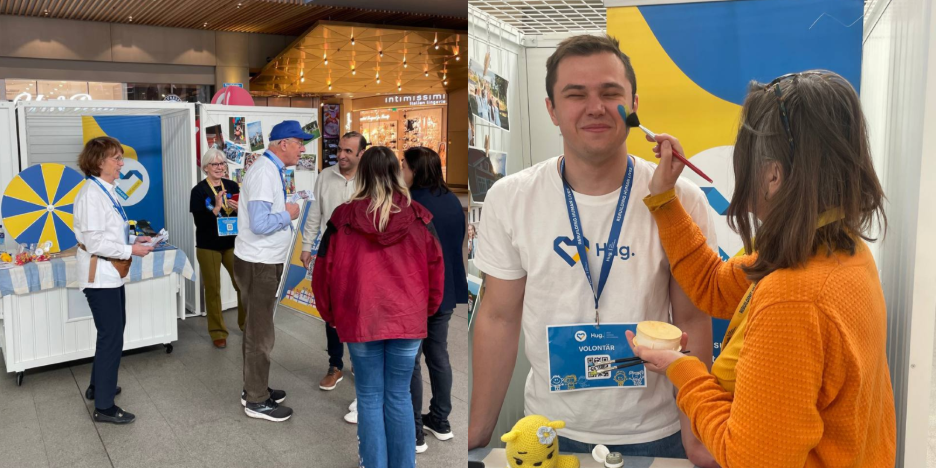
Last month our amazing HUG volunteers gathered at Nordstan for a special fundraiser to support summer camps for Ukrainian children - giving them a chance to experience joy, friendship, and adventures.
For many children affected by war and displacement, summer camps are much more than just a few fun days away. They create a safe space where children can simply be children again - making friends, building confidence, laughing freely, and creating happy memories during an incredibly difficult time. These moments of care, and community can make a real difference in a child’s well-being and sense of belonging.
Thanks to the incredible generosity of everyone who stopped by, we raised over 6,000 SEK in just a few hours! Every single krona will go directly toward making these camps possible.
Together with our visitors, we also played our beloved "Always Win Lottery", where every ticket was a winner and everyone walked away with a little surprise to brighten their day.
A huge thank you to every person who stopped by, donated, smiled, and showed their support. And an even bigger thank you to our wonderful volunteers - your warmth, energy, and dedication are what make all of this possible.
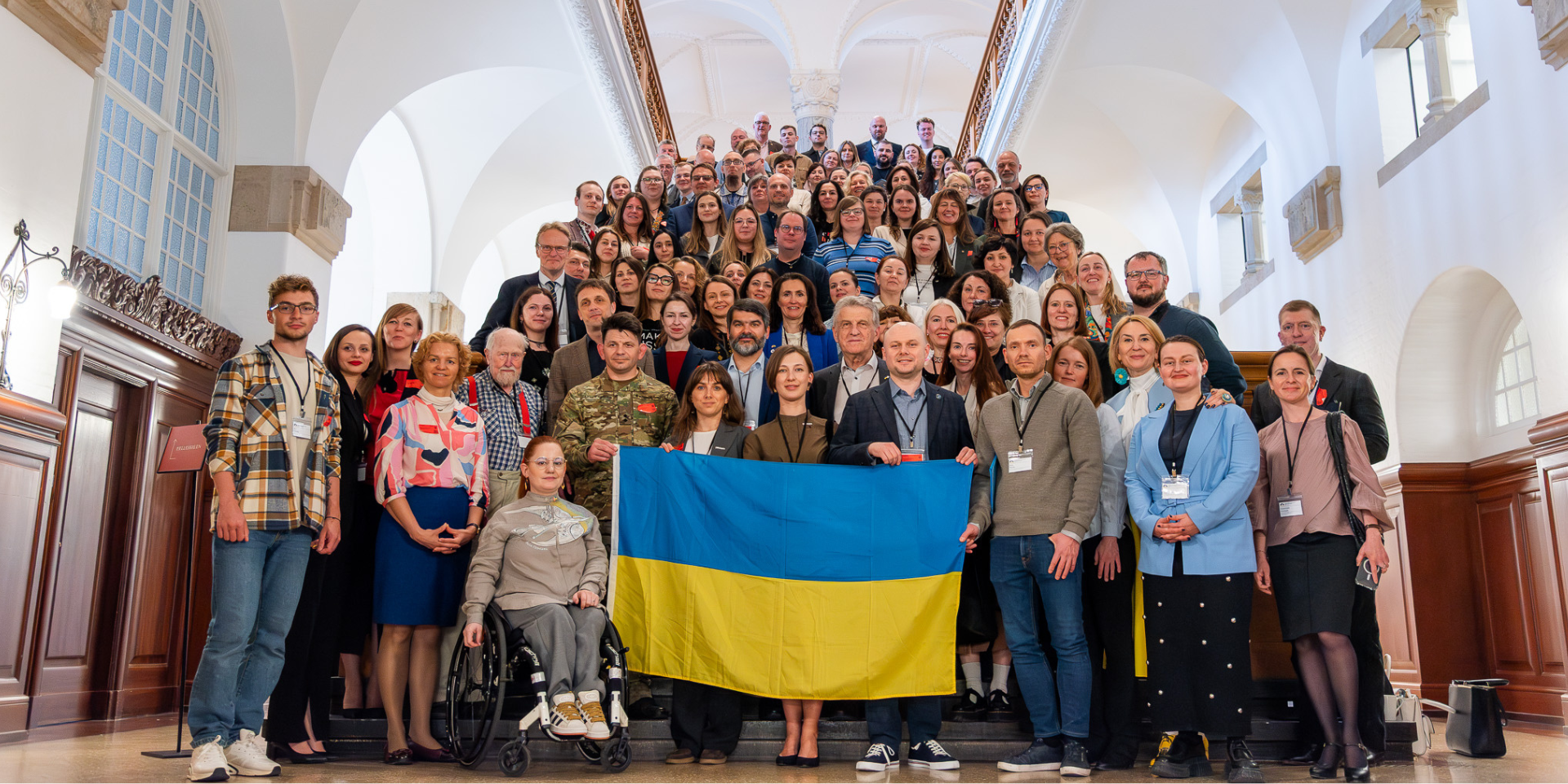
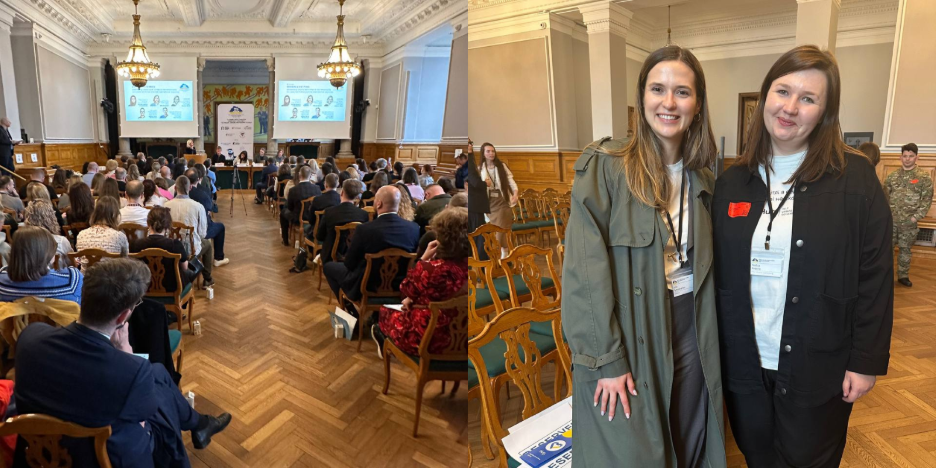
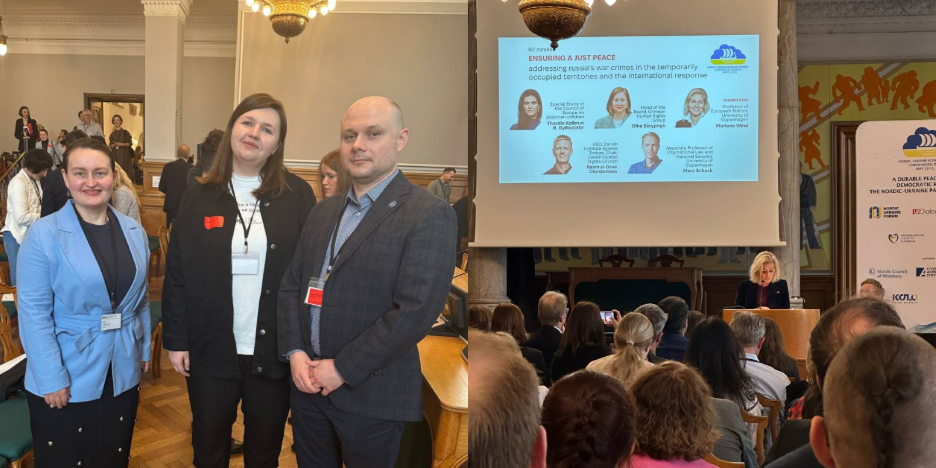
On 10–11 May, Help Ukraine Gothenburg (HUG) took part in the fourth Nordic Ukraine Advocacy Summit (NUAS 2026) in Copenhagen. The two-day summit brought together civil society organisations, experts and policymakers from Ukraine and the Nordic and Baltic countries to discuss Ukraine’s future, regional security and the role of civil society.
For HUG, the summit was an opportunity to exchange perspectives with organisations across the region and look at how the wider conversation around Ukraine is evolving.
One of the clearest takeaways was the changing nature of the Nordic–Ukraine relationship. Ukraine is still a country at war that needs substantial support. But increasingly, the conversation is moving beyond a donor–recipient model. Ukrainian organisations are being recognised not only for the support they need, but for the experience, expertise and solutions they can contribute.
That shift was particularly visible in discussions about civil society and resilience. Ukraine’s ability to organise, mobilise communities and respond to crises has created experience that is relevant well beyond the current war. At the same time, Nordic countries have developed their own approaches to societal resilience, democratic security and total defence. The question is increasingly how these different strengths can be brought together.
The discussions also connected issues that are often treated separately: accountability for Russian war crimes, the deportation of Ukrainian children, disinformation, psychological warfare and democratic resilience. Together, they point to a broader reality: many of the security challenges Ukraine has faced for years are also challenges that Nordic and European societies need to prepare for. The summit’s focus on a coordinated Nordic–Ukraine partnership reflected this growing understanding.
For HUG, these conversations are valuable because they help us see our own work in a wider context. Humanitarian support, veteran reintegration, mental wellbeing and community resilience are different areas, but they all contribute to people’s ability to recover, adapt and participate in society. The discussions at NUAS reinforced the importance of connecting these efforts with wider networks and expertise.
Just as importantly, the summit created connections that can continue beyond the event itself. Bringing organisations from different countries and sectors together makes it possible to exchange knowledge, identify shared challenges and develop cooperation that would be difficult to build independently.
The impact of taking part in forums like NUAS goes beyond the event itself: it gives us new perspectives, strengthens relationships and helps shape how we develop our work further.
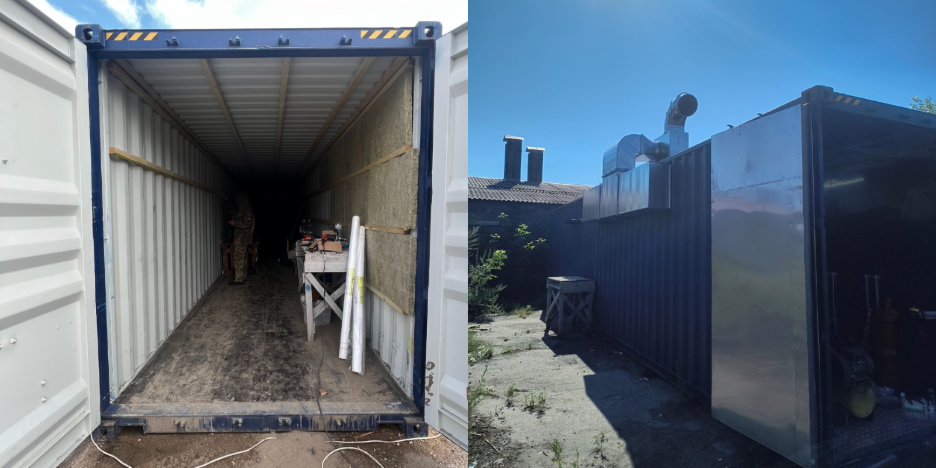
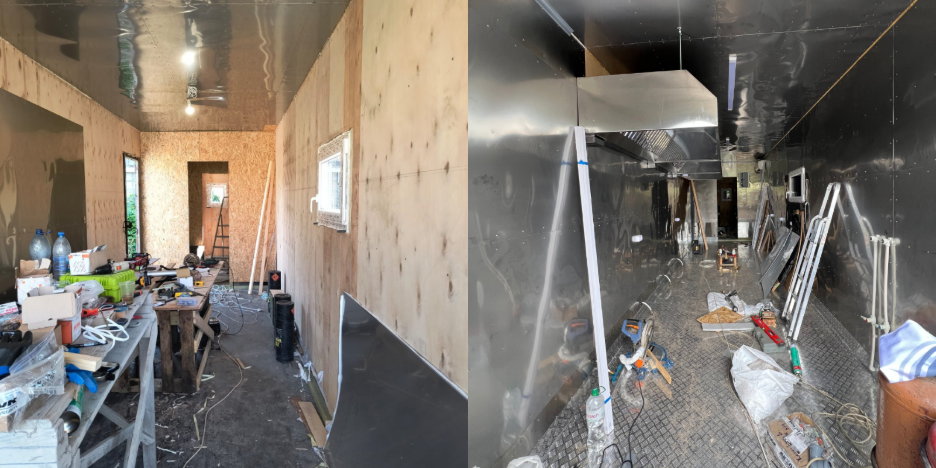
Somewhere in Ukraine, a steel container stands not far from the frontline. Inside, instead of stored supplies, there is a working professional kitchen — stoves, ovens, prep surfaces, and a team in uniform turning out the kind of meals you would not expect to find in a warzone.
This is "Dragobrat," a project that grew out of an idea: with the right equipment and the right people, a container can become more than shelter or storage. It can become a kitchen capable of serving restaurant-quality meals to the Ukrainian Armed Forces.
Chefs in uniforms
The kitchen is run by a serviceman with the callsign "Yogurt," together with his team. In civilian life, they worked as professional chefs. In the military, they have transformed that experience into a structured cooking system designed to improve daily nutrition for troops. The menu draws on standard army supplies, but the difference shows in the hands behind it: familiar ingredients, treated with care, become meals that feel like home.
The team is not stopping where they are.
"Right now we cook for our soldiers from our own brigade, but it should be set up so that more soldiers can eat this way — and eventually, more units across the Armed Forces," says "Yogurt," operational coordinator of the project.
A simple idea that works
What makes "Dragobrat" stand out is not only the quality of the food, but the concept behind it. Instead of relying solely on standard field rations, the team is showing that with the right infrastructure, basic supplies can be turned into full, high-quality meals — even in frontline conditions. The container-based kitchen is now serving as a working model for how military food systems can be improved: practical, scalable, and adaptable to different units.
For HUG, this is another example of how targeted support — equipment, infrastructure, and partnerships — can be turned into something that directly improves daily life for soldiers on the ground, built by people across countries and roles who came together around a shared idea of what is possible.
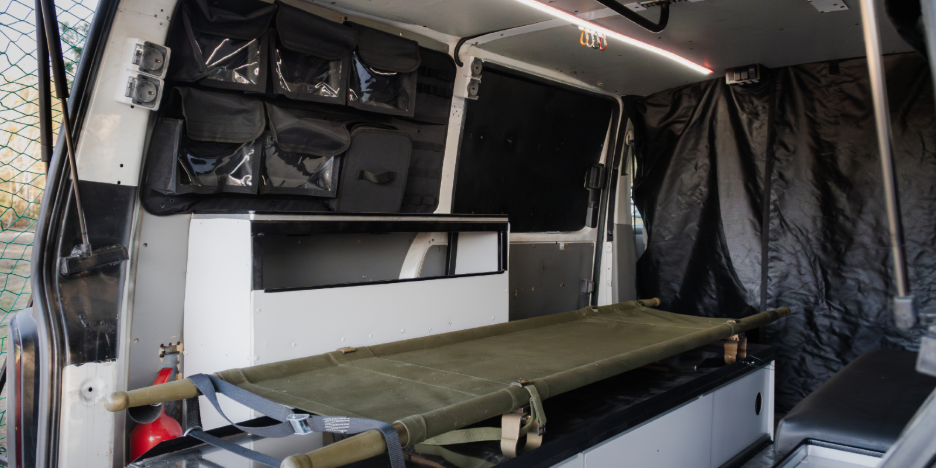
For years, HUG has been delivering CASEVAC vehicles to the front lines. A CASEVAC — is a vehicle built for one purpose: to save lives. It carries no weapons, fights no battles. Its mission is to pull wounded soldiers out of danger and give medics the time and conditions they need to keep them alive on the way back. These vehicles are the fastest, most effective way to bring the wounded out of the fight.
But the battlefield has changed. Medics and evacuation vehicles are under constant attack. Rescue transport is deliberately hunted — because stopping the evacuation means more lives lost. With the rise of FPV drone activity, the journey to safety has become the most dangerous part of a rescue.
Even vehicles already serving on the front are not immune to these strikes. Every lost vehicle means harder access to the wounded, greater risk for medical crews, and fewer chances to bring someone home.
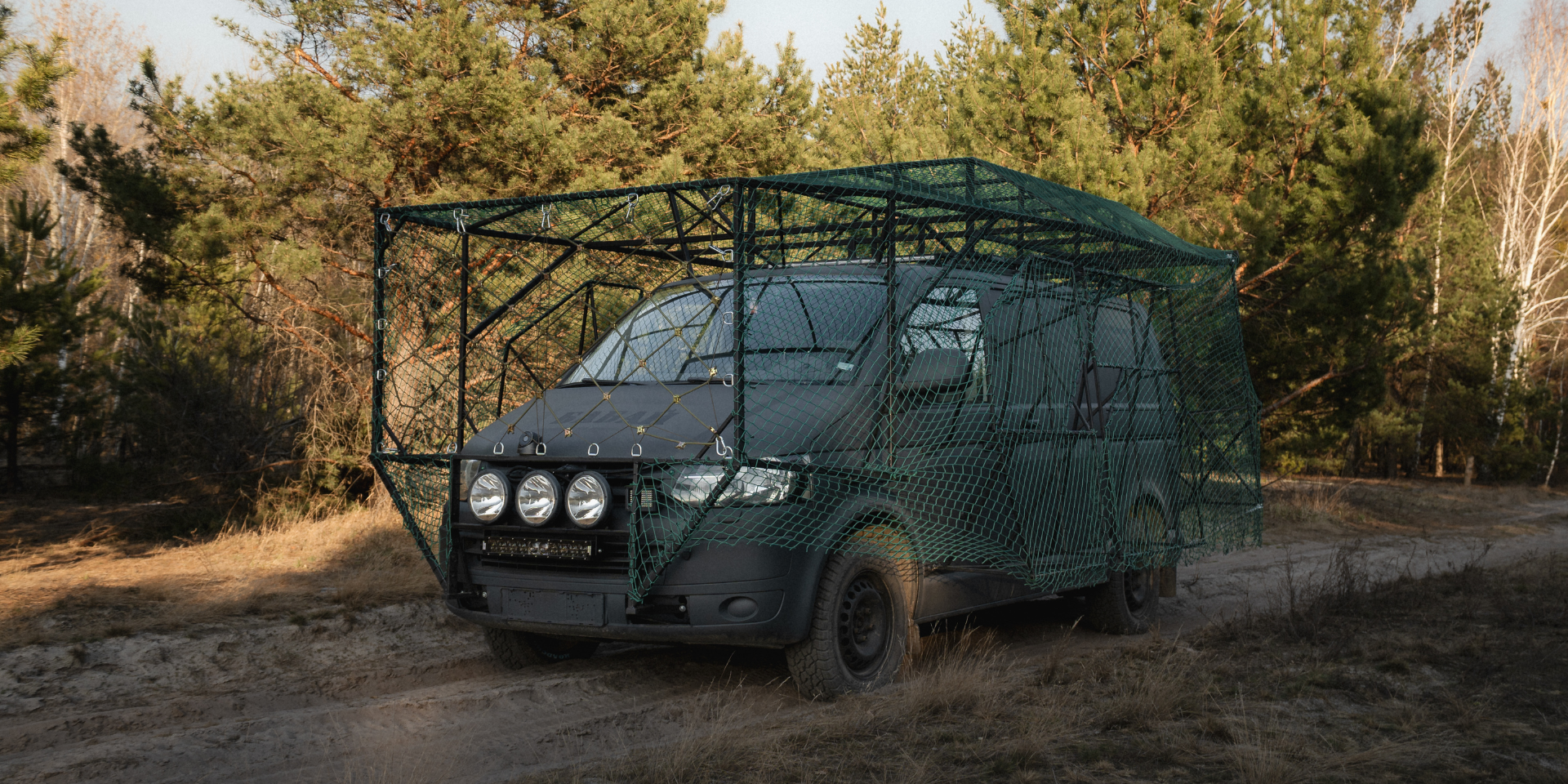
That is why, together with our partners in Ukraine, we began reinforcing our CASEVACs — building them to keep crews and patients moving when others can't.
Meet Babai — our first armored CASEVAC
Babai was the callsign of Serhiy — a Ukrainian defender who gave his life for his country. He was a soldier, a brother-in-arms, a fighter.
The idea to give this vehicle his name came from Serhiy's wife — so that his memory would keep living. We couldn't do anything but say yes. Because we believe, deeply, that remembrance and gratitude are not just words. They are something we do.
What goes into an armored CASEVAC
In Ukraine, these vehicles are re-equipped to meet the realities of modern warfare:
External anti-drone cage protection — reduces the impact of FPV drone strikes by absorbing the hit away from the cabin.
Kevlar interior lining — soft armor that protects medics and patients inside from shrapnel and fragmentation.
Medical equipment — built-in for fast evacuation and emergency care while the vehicle is moving.
Independent power and heating systems — keep the vehicle functioning even in the most critical conditions.
Babai is the first, but we need more
Babai is on its way to the front — but one armored CASEVAC is only the beginning. Medics keep working under fire. Wounded soldiers keep waiting for the ride that will get them out alive. Every new armored vehicle we send is another life-saving evacuation that has a better chance of finishing safely.
Support our fundraising campaign today and help us protect those who are saving others.
AC vehicles to the front lines. A CASEVAC — is a vehicle built for one purpose: to save lives. It carries no weapons, fights no battles. Its mission is to pull wounded soldiers out of danger and give medics the time and conditions they need to keep them alive on the way back. These vehicles are the fastest, most effective way to bring the wounded out of the fight.
On 23 April, HUG welcomed Ukrainian cultural producer and comedian Mykhailo Zhuravel to Gothenburg for an evening that brought together two things that do not always seem to belong together: contemporary Ukrainian literature and stand-up comedy.
In “Quietly Well-Read" show, Mykhailo shared stories about how he discovered contemporary Ukrainian writers, what reading means to him and how he tries to pass that interest on to his children. He also spoke about Ukrainian authors who are now serving in the war - among them Andrii Liubets, Serhii Dziuba, Artemii Kirsanov, Vasyl Piddubnyi, Vitalii Zapeka and the Kapranov brothers.
The result of this unexpected mix of genres was an evening that was both thoughtful and genuinely funny. Literature became a starting point for conversation, while humour offered a light and accessible way into stories about Ukrainian writers, culture and everyday life.
The event was also part of a fundraising initiative organised together with Ukrainian Volunteer Hub – Stockholm, raising funds for EcoFlow charging stations for the unit where Ukrainian writer and artist Vasyl Piddubnyi serves.
Cultural events create opportunities for Ukrainians in Sweden to stay connected to a culture that continues to evolve, even in the middle of war. For HUG, creating these opportunities is part of supporting a strong and connected Ukrainian community in Sweden.
Thank you to Mykhailo Zhuravel and everyone who joined us for this special evening and helped create such a warm and welcoming atmosphere.


.png)
.png)


.png)
.png)
.png)
.png)
.png)
.png)
.png)
.png)

.png)



.png)