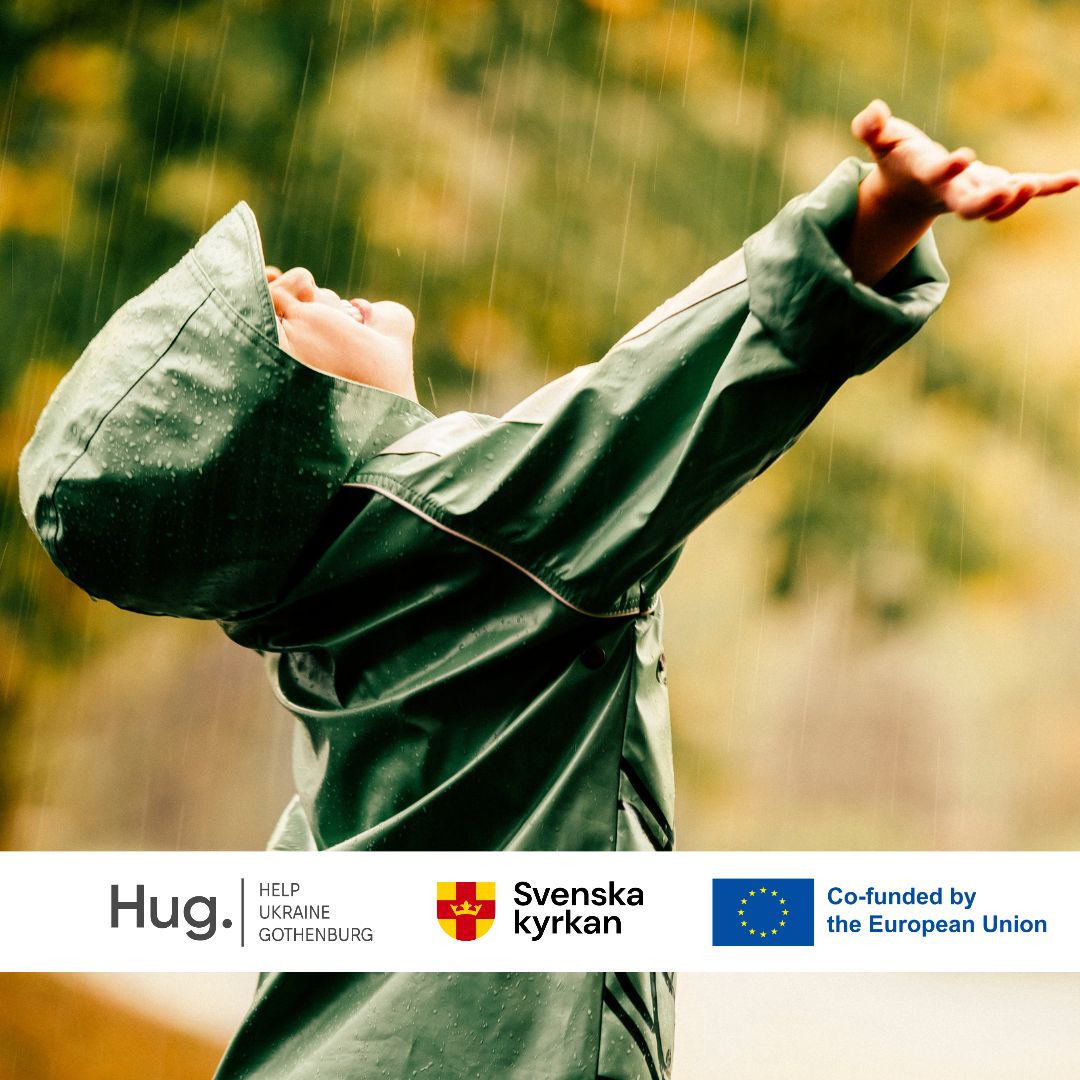
Autumn in Sweden brings changes that we feel not only around us, but also in our own bodies and minds. The days grow shorter, and there is less light. The temperature changes, and so do our usual rhythm of activity and the time we spend outdoors. For some, this is a pleasant slowing down; for others, it is a period of fatigue, low energy, sleep difficulties, irritability or a wish to withdraw.
When you live abroad, seasonal changes can add to an existing psychological load. A new country, a different pace of life, adaptation, distance from loved ones, uncertainty and the need to build a new everyday life all draw on our inner resources. That is why in autumn it matters especially to do more than “pull ourselves together”: we also need to notice what is happening to us and what kind of support we need.
Our mental state is connected to the environment we live in. Less daylight can affect our circadian rhythms, the internal biological processes that regulate sleep and wakefulness. Changes in sleep patterns, less physical activity, spending most of our time indoors, and fewer social contacts can also affect how we feel.
At the same time, autumn fatigue does not automatically mean a mental disorder. Periods of sadness, low energy or a need for rest can be a normal response to change.
It is important to pay attention not only to what we feel, but also to how long it lasts, how intense it is and how it affects everyday life.
You can ask yourself:
Taking care of your mental health does not mean always being calm, productive or positive. Mental health also includes the ability to notice how you feel, understand your own needs, adapt to change, recover after strain and reach out for help when your own resources are not enough.
Sometimes the most helpful step is not to get rid of an unpleasant feeling as quickly as possible. Instead, you can give yourself a chance to pause and ask:
“What is happening to me right now, and what do I need?”
This simple question can be the beginning of self-regulation.
When we are tired or overwhelmed, we often fall back on familiar strategies without thinking: forcing ourselves to be productive, trying not to think about difficult things, telling ourselves “not to exaggerate” or simply carrying on and enduring.
But self-regulation is, above all, the ability to notice your state and respond to it in a way that fits. Sometimes what you need is sleep, and sometimes it is movement or fresh air. Sometimes it is a conversation with someone close to you, and sometimes it is professional psychological support.
Autumn can be a good reason to look at your daily rhythm. You don’t need a complicated self-care system. Small, regular actions often matter more.
Light and movement. Try to get daylight and stay physically active in ways that suit your abilities.
Sleep and rhythm. Keep fairly regular times for going to bed and waking up, and notice what helps your body wind down.
Contact with nature. Even a short walk can be a way to change your surroundings and notice the sounds, the colours, the temperature of the air and the sensations in your own body.
Social connection. Caring for yourself is not only about what you do on your own. Regular contact with people you can be yourself with is also an important part of psychological support.
The Swedish word mys is often associated with cosiness, warmth and a pleasant atmosphere, while fika is linked with taking a pause and meeting another person. Lagom is about finding balance and knowing what is “just enough”, and friluftsliv is about spending time in nature.
We can see these cultural traditions as an invitation to ask ourselves some psychological questions rather than as ready-made “recipes for happiness”:
For someone living in another country, this can also be a way to gradually create your own everyday culture by combining what matters from your Ukrainian experience with the new possibilities of the place you live in now.
Sometimes the change of season only intensifies a state that already needs attention. It is worth seeking professional help if low mood, anxiety, exhaustion or other symptoms persist, get worse, significantly affect your everyday life or do not improve despite rest and support.
We gather the most essential news and step-by-step guides to help you feel confident in Sweden. Discover your rights, obligations, and opportunities for personal and professional growth all in one place.


