The history of the Holodomor and its impact on Ukraine
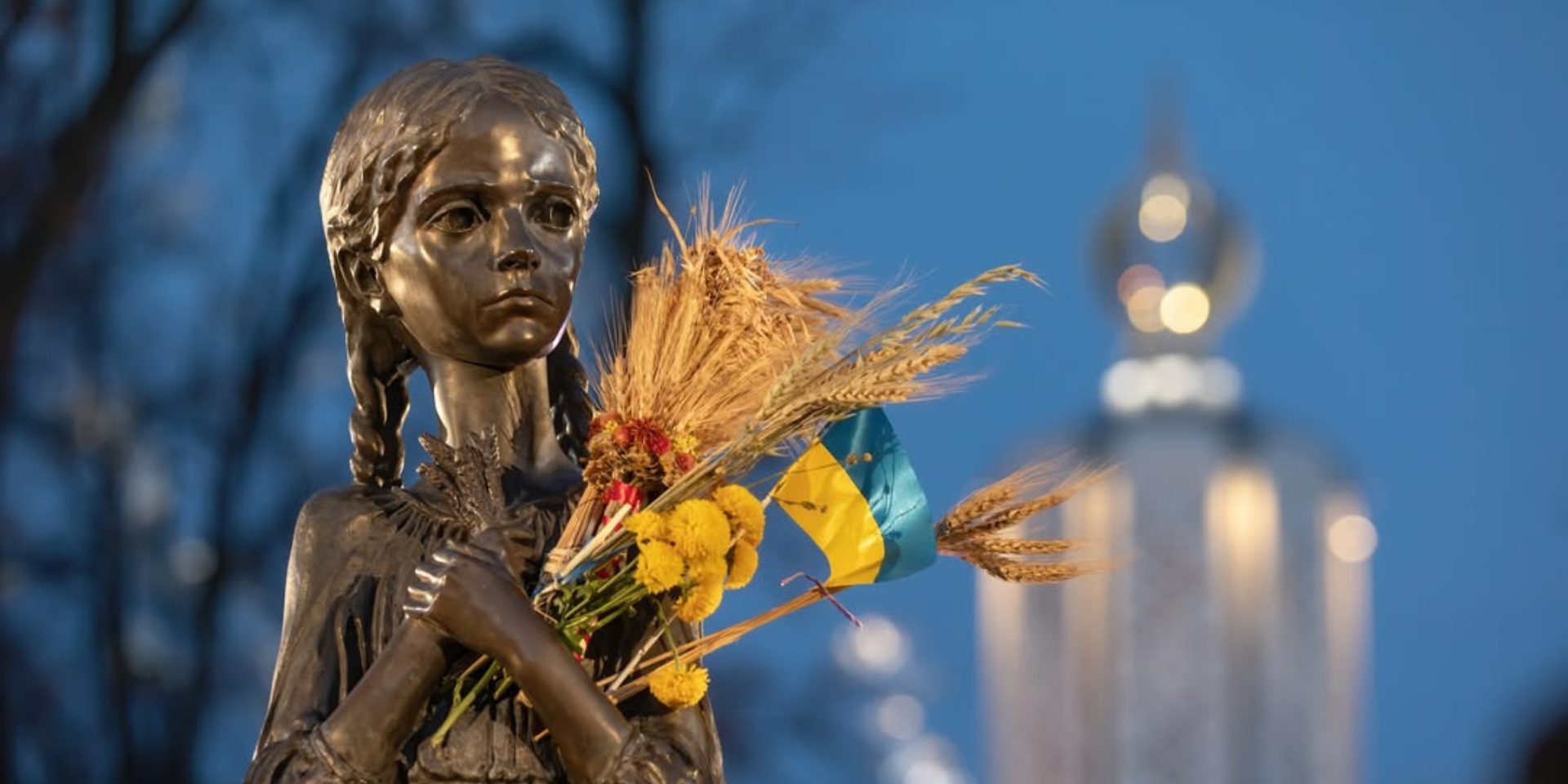
Every year, on the fourth Saturday of November, Ukraine honours the victims of three man-made famines: 1921–1923, 1932–1933 and 1946–1947.
The Holodomor of 1932–1933 was the deadliest of these tragedies and is recognised as genocide of the Ukrainian people. Deliberately orchestrated by Stalin's totalitarian regime, it aimed to suppress Ukrainian resistance and destroy the Ukrainian nation.
The word Holodomor comes from Ukrainian and means “murder by starvation”. It describes a deliberate campaign in which food was turned into a weapon against an entire population.
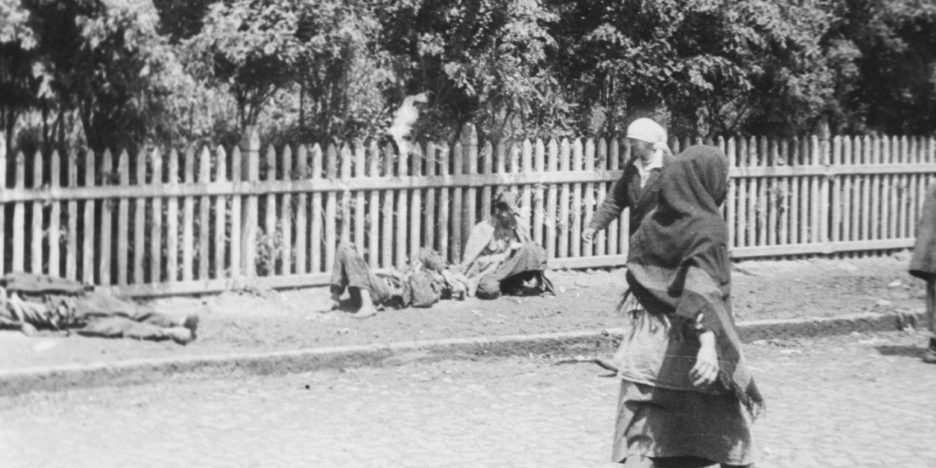
In the late 1920s and early 1930s, the Soviet leadership sought to bring agriculture under complete state control through forced collectivisation. Private farms were taken over and farmers were forced to join collective farms, surrendering their land, livestock and harvests.
Ukrainian peasants resisted. For many, defending their land and the right to decide what to grow and how to live was also a defence of their independence and way of life. The Soviet regime responded with increasingly brutal measures.
Authorities imposed impossibly high grain procurement quotas on Ukrainian villages. Special brigades searched homes, confiscating not only grain but also potatoes, vegetables and other food. Villages that failed to meet their quotas could be placed on so-called blacklists, facing economic blockades and restrictions on trade.
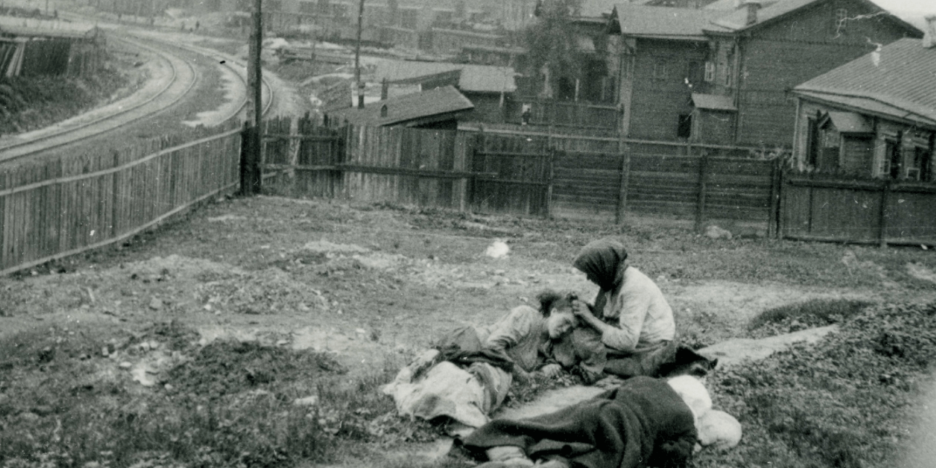
In August 1932, the infamous Law of Five Ears of Grain was introduced. Taking even a few ears of grain from a field to feed one's starving family could result in up to ten years of prison or execution. At the same time, restrictions prevented starving peasants from leaving affected areas in search of food.
The authorities knew people were dying, yet the confiscations continued.
By the winter of 1932 and throughout 1933, starvation spread across Ukrainian villages. People ate grass, tree bark, leaves and anything else they could find. Parents watched their children weaken and die. Families were forced to make impossible choices simply to survive.
The human suffering reached unimaginable proportions. Millions of Ukrainians perished. Entire families and villages disappeared, while the surviving population was left traumatised for generations.
The famine was not caused by a natural disaster or a shortage of food alone. It was created through deliberate state policies that deprived people of the means to survive.
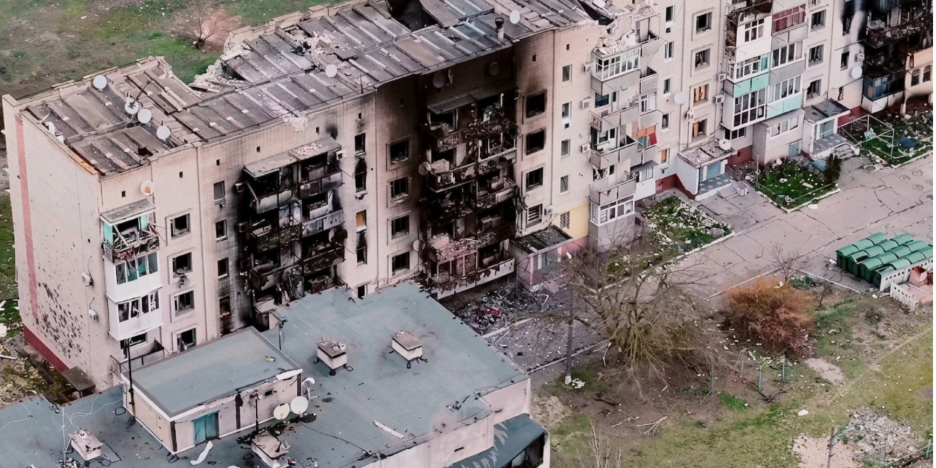
More than 90 years later, Ukraine is once again experiencing the devastating consequences of Russian aggression, and hunger is once again becoming a matter of survival for civilians.
The town of Oleshky in the Kherson region became a stark example. During the Russian occupation, residents faced severe shortages of food, drinking water and medicine. Humanitarian deliveries were disrupted, while dangerous evacuation routes left people with few ways to escape. Although Oleshky has since been evacuated, other communities in occupied parts of Ukraine, including Hola Prystan and surrounding settlements, have faced similarly severe humanitarian conditions.
Oleshky is not an isolated case. Other communities in occupied parts of Ukraine, including Hola Prystan and surrounding settlements, have faced similarly severe humanitarian conditions.
The Holodomor is an essential part of understanding Ukraine's history, its struggle for independence and the price Ukrainians have paid for preserving their identity.
There must be no place for artificially created hunger in the modern world. No civilian should be forced to starve, and no community should be abandoned without access to humanitarian assistance.
We remember the millions who perished during the Holodomor. We honour their memory by telling their stories, preserving the truth and standing with those whose lives and freedom are threatened today.
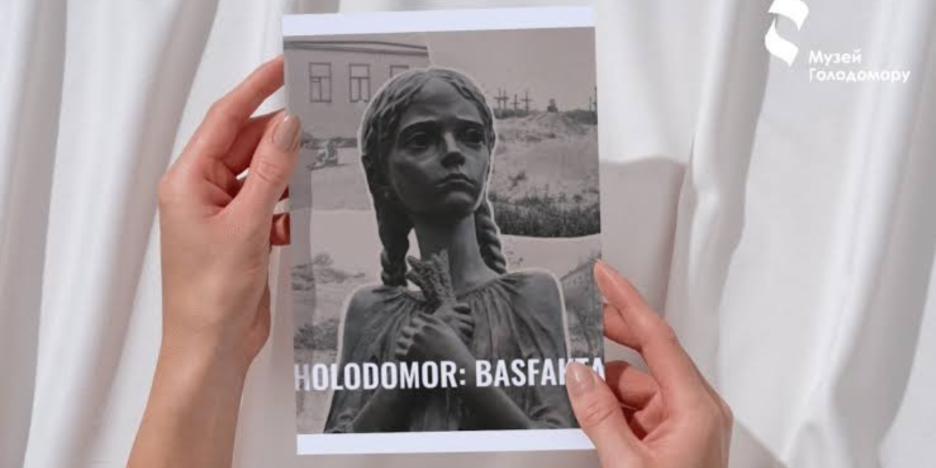
The Holodomor: Main Facts is available in Swedish, making this important chapter of Ukrainian history accessible to Swedish readers. The publication can be downloaded, printed and used for educational activities.
The Swedish translation was prepared by Nordic Ukraine Forum, a Swedish-Ukrainian organisation working to strengthen ties between Sweden and Ukraine and advocating for Sweden's recognition of the Holodomor as genocide of the Ukrainian people.