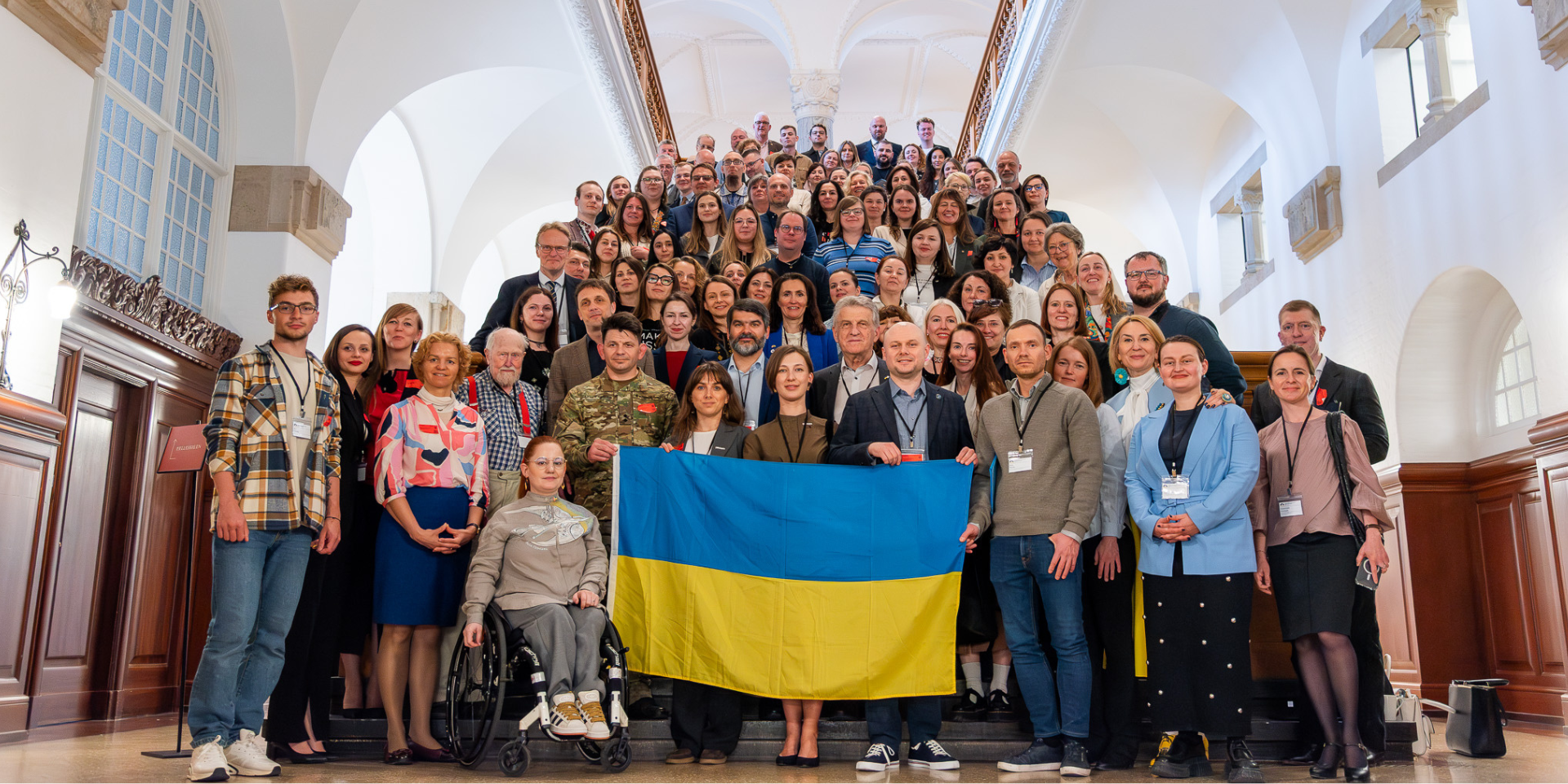
On 10–11 May, Help Ukraine Gothenburg (HUG) took part in the fourth Nordic Ukraine Advocacy Summit (NUAS 2026) in Copenhagen. The two-day summit brought together civil society organisations, experts and policymakers from Ukraine and the Nordic and Baltic countries to discuss Ukraine’s future, regional security and the role of civil society.
For HUG, the summit was an opportunity to exchange perspectives with organisations across the region and look at how the wider conversation around Ukraine is evolving.
One of the clearest takeaways was the changing nature of the Nordic–Ukraine relationship. Ukraine is still a country at war that needs substantial support. But increasingly, the conversation is moving beyond a donor–recipient model. Ukrainian organisations are being recognised not only for the support they need, but for the experience, expertise and solutions they can contribute.
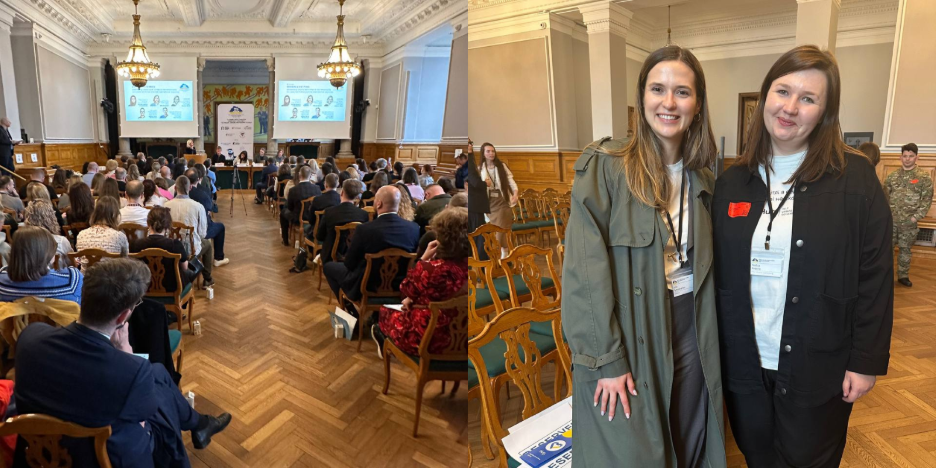
That shift was particularly visible in discussions about civil society and resilience. Ukraine’s ability to organise, mobilise communities and respond to crises has created experience that is relevant well beyond the current war. At the same time, Nordic countries have developed their own approaches to societal resilience, democratic security and total defence. The question is increasingly how these different strengths can be brought together.
The discussions also connected issues that are often treated separately: accountability for Russian war crimes, the deportation of Ukrainian children, disinformation, psychological warfare and democratic resilience. Together, they point to a broader reality: many of the security challenges Ukraine has faced for years are also challenges that Nordic and European societies need to prepare for. The summit’s focus on a coordinated Nordic–Ukraine partnership reflected this growing understanding.
For HUG, these conversations are valuable because they help us see our own work in a wider context. Humanitarian support, veteran reintegration, mental wellbeing and community resilience are different areas, but they all contribute to people’s ability to recover, adapt and participate in society. The discussions at NUAS reinforced the importance of connecting these efforts with wider networks and expertise.
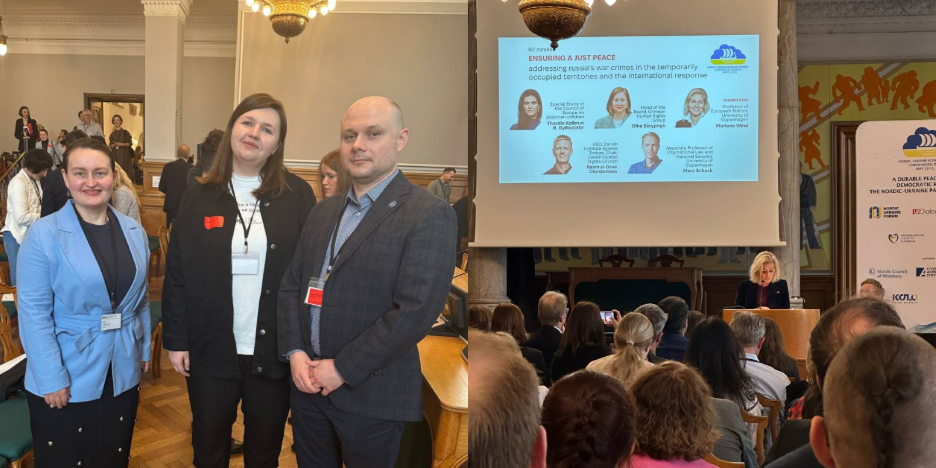
Just as importantly, the summit created connections that can continue beyond the event itself. Bringing organisations from different countries and sectors together makes it possible to exchange knowledge, identify shared challenges and develop cooperation that would be difficult to build independently.
The impact of taking part in forums like NUAS goes beyond the event itself: it gives us new perspectives, strengthens relationships and helps shape how we develop our work further.


.png)

